C. S. Lewis

AKA:
Clive Hamilton
Birth Name:
Clive Staples Lewis
Birth Date:
November 29, 1898
Birth Place:
Dundela Villas, 47 Dundela Avenue, Belfast, Ireland
Death Date:
November, 22 1963
Place of Death:
The Kilns, 89 Kiln Lane, Risinghurst, Oxford, England
Age:
64
Cause of Death:
Kidney failure
Cemetery Name:
Holy Trinity Church
Claim to Fame:
Writers and Poets
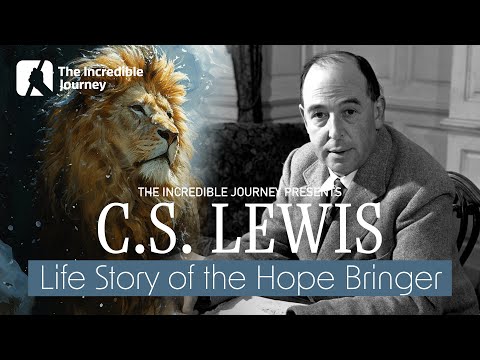
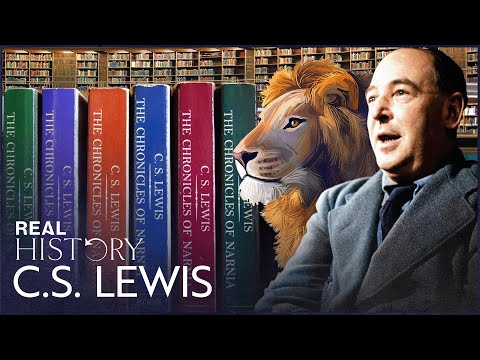
C. S. Lewis was a British author, literary scholar and Anglican lay theologian. He held academic positions in English literature at both Magdalen College, Oxford (1925–1954), and Magdalene College, Cambridge (1954–1963). He is best known as the author of The Chronicles of Narnia, but he is also noted for his other works of fiction, such as The Screwtape Letters and The Space Trilogy, and for his non-fiction Christian apologetics, including Mere Christianity, Miracles and The Problem of Pain. Although he was acknowledged in university circles as a brilliant lecturer and tutor, his wider fame rested on his three dozen or so books. He wrote science-fiction and children's stories as well as works on literature and religion. Upon his passing, in paperback editions alone, about one million copies of his books had been sold.

Fun Fact

C. S. Lewis and author J.R.R. Tolkien were best of friends and it would not be unusual to see the men sharing a pint in a local Oxford pub.

Cemetery Information:

Final Resting Place:

Holy Trinity Church

46 Quarry Road

Headington Quarry, Oxford, OX3 8NU, England,

United Kingdom

Europe

Grave Location:

Lewis Family Plot

Grave Location Description

As you walk to the back of the church follow the path that veers right to the opening in the brick wall. There you will see the sign for “C. S. Lewis Grave”. Follow the sign to the left and count 6 graves after the large tree on your left and you will find the final resting place of legendary British writer and lecturer C. S. Lewis.

Grave Location GPS

51.757305, -1.198119

Visiting The Grave:

Photos:

[+]
[+]
[+]
[+]
[+]
[+]
[+]
[+]
[+]
[+]

FAQ's

C. S. Lewis was born on November 29, 1898.

C. S. Lewis was born in Dundela Villas, 47 Dundela Avenue, Belfast, Ireland.

C. S. Lewis died on November, 22 1963.

C. S. Lewis died in The Kilns, 89 Kiln Lane, Risinghurst, Oxford, England.

C. S. Lewis was 64.

The cause of death was Kidney failure.

C. S. Lewis's grave is in Holy Trinity Church

Read More About C. S. Lewis:

Videos Featuring C. S. Lewis:

See More:

Norman Mailer

popular name: Norman Mailer

date_of_death: November 10, 2007

age: 84

cause_of_death: Acute renal failure

claim_to_fame: Writers and Poets

best_know_for: Norman Mailer was a writer and serial philanderer and homophobe who enjoyed violence against women - both in his writings and in real life. He wasn't just callous and amoral, he relished violence. Mailer stabbed his wife, Adele Morales, in a drunken rage in November 1960 and beat his fourth wife repeatedly. And if that weren't bad enough, Mailer championed the release of an inmate, Jack Henry Abbott, who murdered a young waiter in Greenwich Village just weeks after getting parole in 1981. Consequently his standing as a great American writer quickly diminished upon his death.

C.S. Lewis

popular name: C.S. Lewis

date_of_death: November 22, 1963

age: 64

cause_of_death: Complications from end-stage kidney failure and heart attack

claim_to_fame: Writers and Poets

best_know_for: C.S. Lewis is best known for his beloved fiction novels, notably The Chronicles of Narnia, The Screwtape Letters, and The Space Trilogy. He is also known for his popular works of non-fiction Christian apologetics, including Mere Christianity and The Problem of Pain.

Emily Dickinson

popular name: Emily Dickinson

date_of_death: May 15, 1886

age: 55

cause_of_death: Heart failure induced by severe hypertension

claim_to_fame: Writers and Poets

best_know_for: Emily Dickinson is one of America’s greatest and most original poets of all time. She took definition as her province and challenged the existing definitions of poetry and the poet’s work. Like writers such as Ralph Waldo Emerson, Henry David Thoreau, and Walt Whitman, she experimented with expression in order to free it from conventional restraints. Like writers such as Charlotte Brontë and Elizabeth Barrett Browning, she crafted a new type of persona for the first person. A lyric poet who lived in seclusion and commanded a singular brilliance of style and integrity of vision, together with Walt Whitman Dickinson is widely considered to be one of the two leading 19th-century American poets.

Back to Top