Eddie Bennett

AKA:
Baseballs Most Famous Mascot
Birth Name:
Edward Bennett
Birth Date:
1904
Birth Place:
Flatbush, Brooklyn, New York
Death Date:
01/16/1935
Place of Death:
115 W. 84th Street, Manhattan, New York
Age:
31
Cause of Death:
Alcoholism
Cemetery Name:
St. John Cemetery
Claim to Fame:
Sports
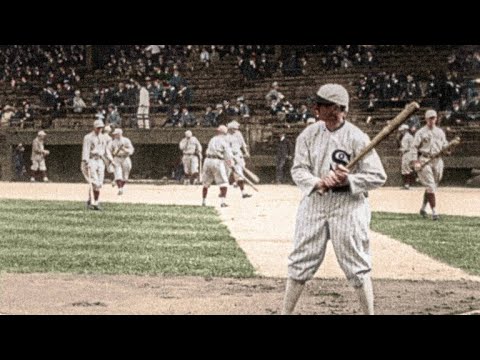
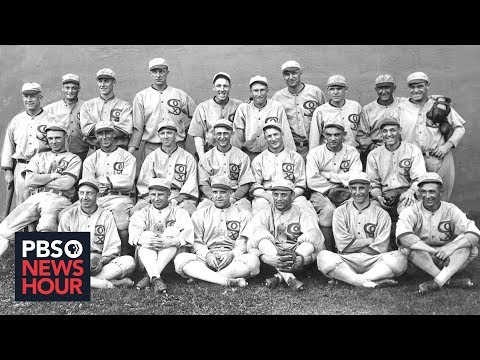
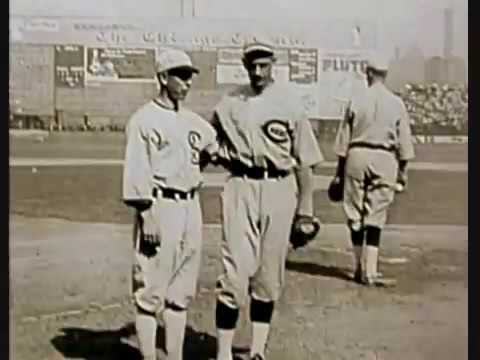
Eddie Bennett was an American batboy and mascot for several teams, most notably the New York Yankees during the 1920s and 1930s. At the time of his death, Bennett was considered to be the "most famous mascot in the world". Bennet had a spinal injury when he was very young which resulted in a hunchback. He was considered to be a "good luck charm" by the members of the club, and became a well-known celebrity in New York. On May 19, 1932, Bennett was hit by a taxi on a New York City street. He suffered a broken leg and other injuries from which he never recovered. To find relief from the pain he suffered from the injuries, Bennett started to abuse alcohol. He was forced to retire as the Yankees mascot in the middle of 1933 season, although Ruppert insisted he remain on the payroll all year. The New York Times reported that the "notoriously superstitious" ballplayers and fans blamed Bennett's absence on the Yankees' failure to win the pennant in 1933 and 1934. In January 1935, Bennett died penniless due to alcoholism.

Fun Fact

When Eddie Bennett died penniless in a rooming house in Manhattan, New York not a single member of the Yankee organization attended his funeral.

Cemetery Information:

Final Resting Place:

St. John Cemetery

80-01 Metropolitan Avenue

Middle Village, New York, 11379

USA

North America

Map:
Grave Location:

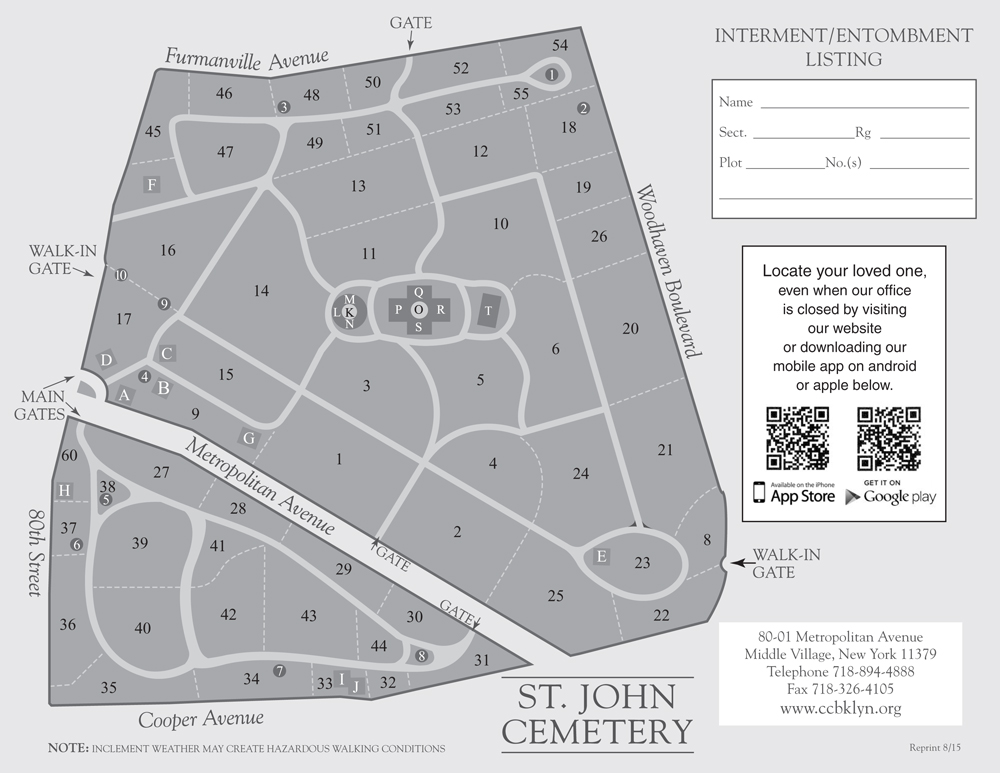
Section 34, Row DD, Grave 64

Grave Location Description

After entering the cemetery’s east entrance, take the first gate on your left to head southwest. Head along this road for about 0.3 miles. Edward’s Bennett nameplate will be located in the grassy section on your left. His grave is near the road, and about 50 feet southeast of the intersection between Sections 34, 40, and 42.

Grave Location GPS

40.710599, -73.867760

Photos:

[+]
[+]
[+]
[+]
[+]
[+]
[+]
[+]
[+]
[+]
[+]
[+]
[+]
[+]

FAQ's

Eddie Bennett was born on 1904.

Eddie Bennett was born in Flatbush, Brooklyn, New York.

Eddie Bennett died on 01/16/1935.

Eddie Bennett died in 115 W. 84th Street, Manhattan, New York.

Eddie Bennett was 31.

The cause of death was Alcoholism.

Eddie Bennett's grave is in St. John Cemetery

Read More About Eddie Bennett:

Videos Featuring Eddie Bennett:

See More:

Mike Tiernan

popular name: Mike Tiernan

date_of_death: November 7, 1918

age: 51

cause_of_death: Tuberculosis

claim_to_fame: Sports

best_know_for: Mike Tiernan, nicknamed "Silent Mike", was an American professional baseball right fielder. He played in Major League Baseball (MLB), exclusively for the New York Giants, from 1887 to 1899. Tiernan's debut major league game was on April 30, 1887. On June 15 of that season, he scored six runs in a single game, and is one of only a handful of major league players to have accomplished that feat. Tiernan had 10 Home Runs as a rookie (which was great for this era), and he would help the Giants win the 1888 and 1889 versions of the World Series. Tiernan batted .335 in 1889, and he had six more .300 seasons. His best seasons were in 1890 and 1891, where his 13 and 16 Home Runs would respectively lead the National League, and he had five .490 plus Slugging years, including a league-leading .495 in 1890. Despite his successful career and baseball pioneer, Tiernan was never considered for the Baseball Hall of Fame. Upon his passing Mike Tiernan was buried with his brother at Gate of Heaven Cemetery in Hawthorne, New York.

Beals Wright

popular name: Beals Wright

date_of_death: August 23, 1961

age: 81

cause_of_death: Natural causes

claim_to_fame: Sports

best_know_for: A graduate of Harvard University, Beals Wright was an accomplished tennis player, winning gold medals in men’s singles and doubles at the 1904 St. Louis Olympic Games, U.S. championships in men’s doubles in 1904, 1905, and 1906, and the men’s singles in 1905. Beals was a member of the Davis Cup team for five years between 1905 and 1912, and was ranked in the top ten U.S. tennis players for ten years. After his playing days ended, he continued in the sport as a referee and as a promoter of tennis tournaments. Beals Wright was inducted into the International Tennis Hall of Fame (then called the Lawn Tennis Hall of Fame) in 1956.

Al Campanis

popular name: Al Campanis

date_of_death: June 21, 1998

age: 81

cause_of_death: Heart disease and complications from diabetes

claim_to_fame: Sports

best_know_for: Al Campanis was a baseball player, farm team scout and finally an executive in Major League Baseball (MLB). He’d been a Montreal Royal shortstop in 1946 playing alongside Jackie Robinson at second base, barnstormed off-season with a racially integrated squad, a Brooklyn Dodger scout who unearthed Roberto Clemente and Sandy Koufax, and who reached the apex of his profession as General Manager of the Los Angeles Dodgers and took them to four pennants and one World Series title. Campanis baseball career came to a complete stop after an interview with Ted Koppel. Campanis, who had played alongside Robinson and was known for being close to him, was being interviewed about the subject. Nightline anchorman Ted Koppel asked him why, at the time, there had been few black managers and no black general managers or owners in Major League Baseball. Campanis's reply was: "I truly believe that they may not have some of the necessities to be, let's say, a field manager, or, perhaps, a general manager." Later in the interview, to defend his views when pressed by Koppel, Campanis asked: "Why are black men or black people not good swimmers? Because they don't have the buoyancy." Koppel says he gave Campanis several opportunities to clarify ("Do you really believe that?") or back down from his remarks. Instead, Campanis doubled down on his views, suggesting that African Americans "certainly are short" on individuals with strong decision-making capabilities, asking Koppel: "How many quarterbacks do you have? How many pitchers do you have that are black?" Koppel also pointed out that much of what Campanis was saying "sounds a lot like the garbage we heard 40 years ago." Campanis was fired less than 48 hours later.

Back to Top