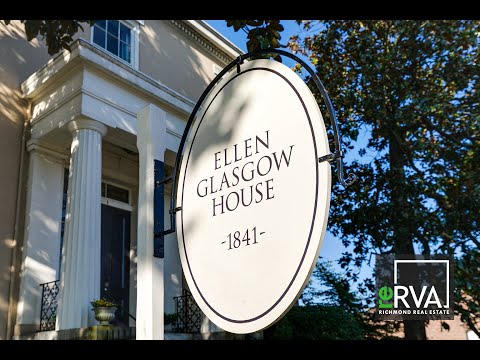
Ellen Glasgow

Birth Name:
Ellen Anderson Gholson Glasgow
Birth Date:
April 22, 1873
Birth Place:
Richmond, Virginia
Death Date:
November 21, 1945
Place of Death:
1 West Main Street, Richmond, Virginia
Age:
72
Cause of Death:
Coronary thrombosis
Cemetery Name:
Hollywood Cemetery
Claim to Fame:
Writers and Poets
Ellen Glasgow was an American novelist whose realistic depictions of life in her native Virginia helped direct Southern literature away from sentimentality and nostalgia. A lifelong Virginian who published 20 books including 7 novels which sold well (five reaching best-seller lists) as well as gained critical acclaim earning a Pulitzer Prize in 1942.

Cemetery Information:

Final Resting Place:

Hollywood Cemetery

412 South Cherry Street

Richmond, Virginia, 23220

United States

North America

Map:
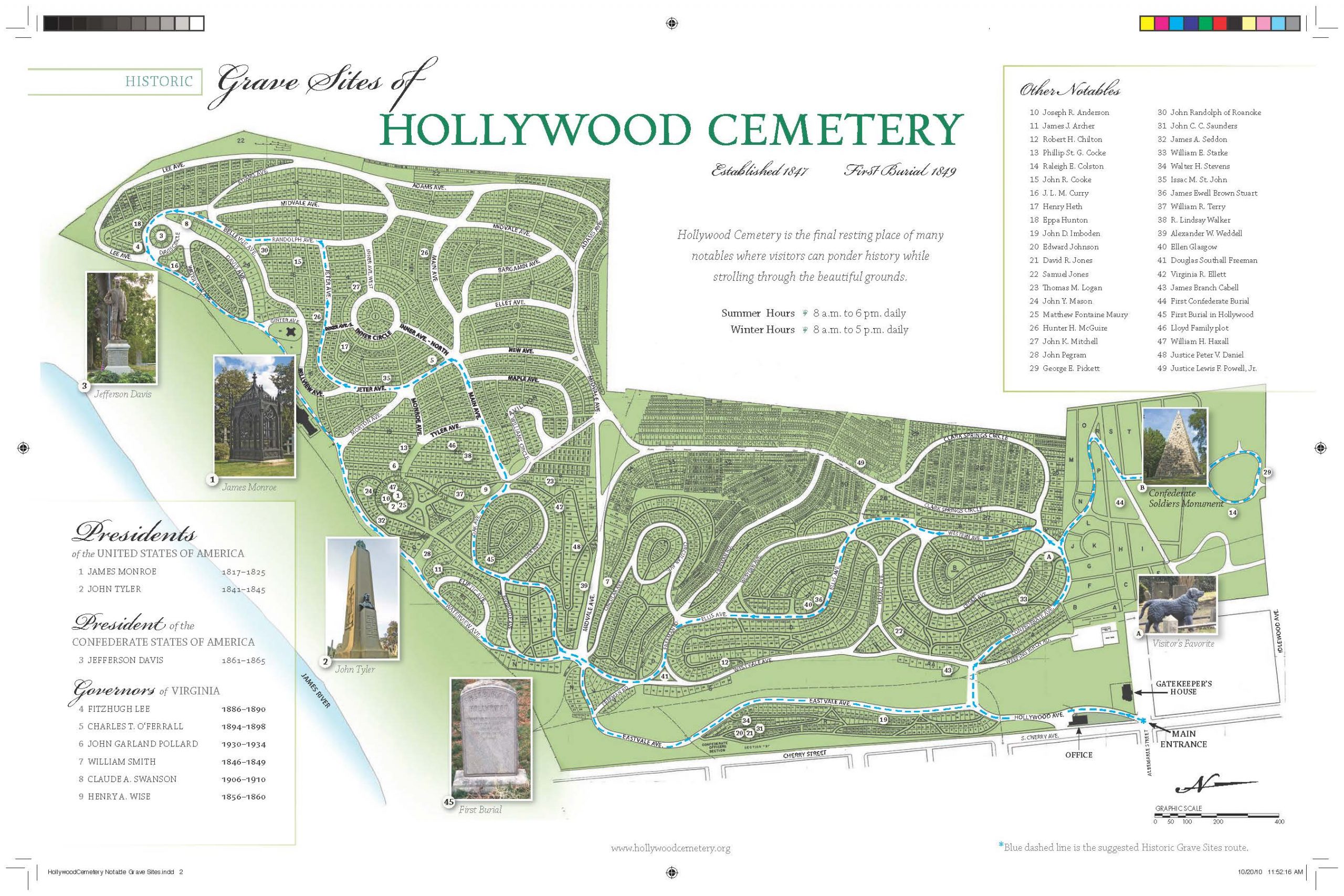
Map of Hollywood Cemetery in Richmond, Virginia

Grave Location:

Section DE, Plot 15

Grave Location Description

As you enter the cemetery, follow the blue line on the road to the right and it will wind up and around to Section DE overlooking the river on Ellis Avenue. The blue line will also take you to Jefferson Davis and Presidents James Monroe and John Tyler.

Grave Location GPS

37.53751131, -77.4547539

Visiting The Grave:

Photos:

[+]
[+]
[+]
[+]
[+]
[+]
[+]
[+]
[+]
[+]
[+]
[+]
[+]

FAQ's

Ellen Glasgow was born on April 22, 1873.

Ellen Glasgow was born in Richmond, Virginia .

Ellen Glasgow died on November 21, 1945.

Ellen Glasgow died in 1 West Main Street, Richmond, Virginia.

Ellen Glasgow was 72.

The cause of death was Coronary thrombosis.

Ellen Glasgow's grave is in Hollywood Cemetery

Read More About Ellen Glasgow:

Videos Featuring Ellen Glasgow:

See More:

Paul Éluard

popular name: Paul Éluard

date_of_death: November 18, 1952

age: 56

cause_of_death: Heart attack

claim_to_fame: Writers and Poets

best_know_for: Paul Éluard was a French poet and one of the founders of the Surrealist movement. He is widely considered the best of the surrealist poets, and his surrealist books include Capitale de la douleur (1926), La Rose publique (1934) and Les Yeux fertiles (1936). Éluard also included among his close friends such visual artists as Picasso, Miró, Tanguy, and Salvador Dali (who stole his first wife, Gala).

Victor Noir

popular name: Victor Noir

date_of_death: January 11, 1870

age: 21

cause_of_death: Homicide - gunshot wounds

claim_to_fame: Writers and Poets

best_know_for: Victor Noir was the nom de plume of a budding journalist killed at 21 years old by Prince Pierre Bonaparte. The prince was a relative of the reigning monarch, Emperor Napoleon III, the same Napoleon who censured the press and forced writers like Victor Hugo into exile. The little noble shot Victor six times when Noir and another witness went to pick up the prince and drive him to a duel. The prince was quickly tried and acquitted, paying only a pittance in damages for taking another man's life. More than a hundred thousand outraged people crowded for the funeral on a cold January day in 1870. It was a catalyst for anti-royal fervor. Later that same year, after a crushing defeat at a battle in the Franco-Prussian war they imprisoned the last Napoleon.

Thomas Wolfe

popular name: Thomas Wolfe

date_of_death: September 15, 1938

age: 37

cause_of_death: Miliary tuberculosis

claim_to_fame: Writers and Poets

best_know_for: Thomas Wolfe is considered one of the most autobiographical novelists in American literature and is probably the greatest writer to come out of North Carolina. During his short life he wrote four novels; Look Homeward, Angel, Of Time and the River, The Web and the Rock, and You Can’t Go Home Again, as well as numerous short stories, novellas, and plays. He is known for mixing highly original, poetic, rhapsodic, and impressionistic prose with autobiographical writing. His books, written and published from the 1920s to the 1940s, vividly reflect on American culture and the mores of that period, filtered through Wolfe's sensitive, sophisticated, and hyper-analytical perspective. After Wolfe's death, contemporary author William Faulkner said that Wolfe might have been the greatest talent of their generation for aiming higher than any other writer. Wolfe's influence extends to the writings of Beat Generation writer Jack Kerouac, and of authors Ray Bradbury and Philip Roth, among others.

Back to Top