Lloyd Bentsen

Birth Name:
Lloyd Millard Bentsen Jr.
Birth Date:
February 11, 1921
Birth Place:
Mission, Texas
Death Date:
May 23, 2006
Place of Death:
Houston, Texas
Age:
85
Cause of Death:
Natural Causes
Cemetery Name:
Forest Park Lawndale Cemetery
Claim to Fame:
World Leaders
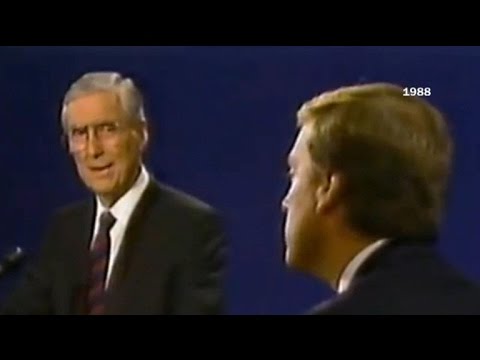
Lloyd Bentson was a four-term United States Senator (1971–1993) from Texas, the Democratic Party nominee for vice president in 1988 on the Michael Dukakis ticket and served as the 69th United States Secretary of the Treasury under President Bill Clinton. He is also remember for his famous debate response when Quayle stated that he had as much political experience as John F. Kennedy. Bentsen, at the age of 67, retorted, "Senator, I served with Jack Kennedy. I knew Jack Kennedy. Jack Kennedy was a friend of mine. Senator, you're no Jack Kennedy."

Cemetery Information:

Final Resting Place:

Forest Park Lawndale Cemetery

6900 Lawndale

Houston, Texas, 77023

USA

North America

Map:
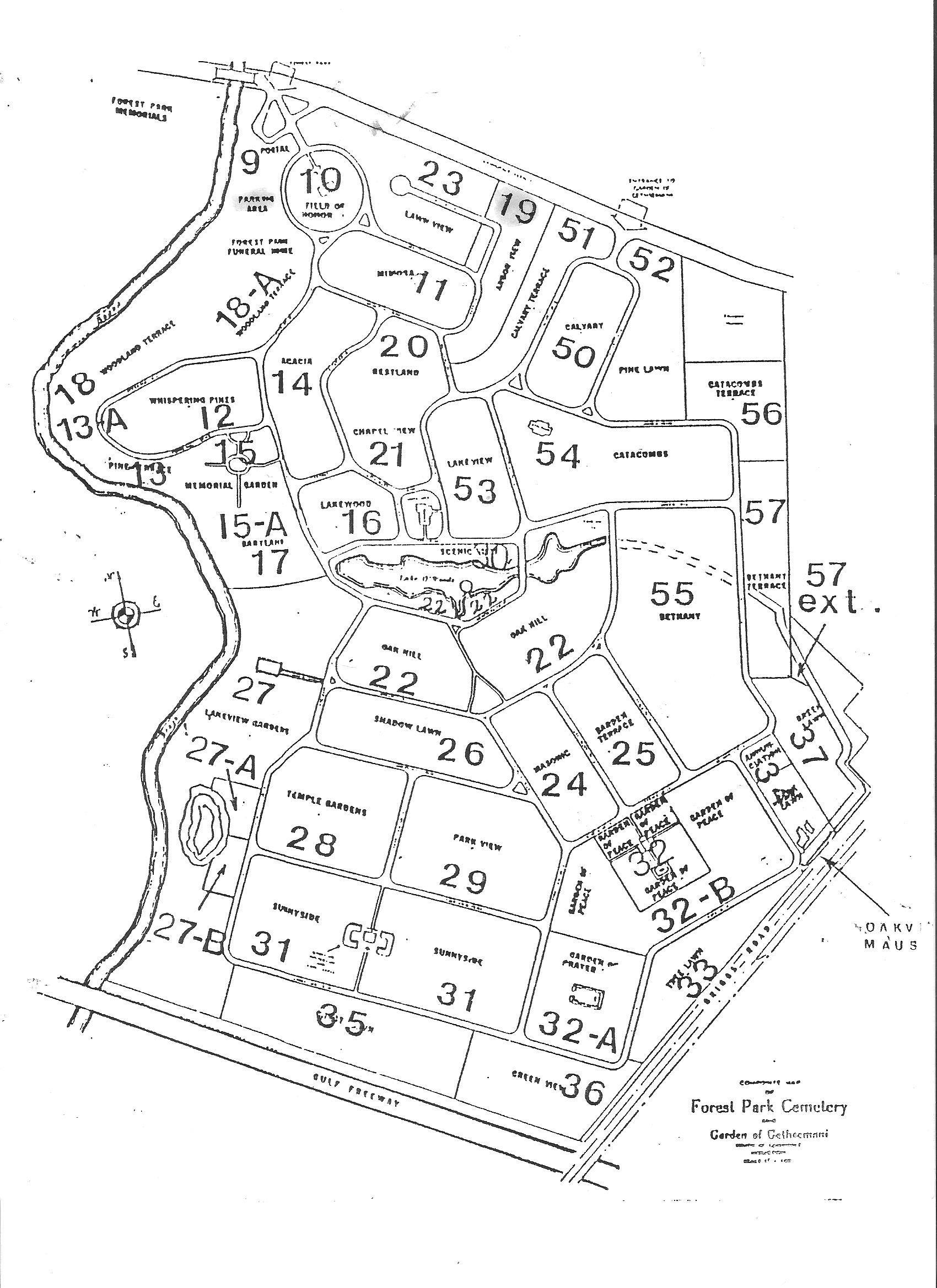
Grave Location Description

Drive to the center of the cemetery and the senator’s grave is located on the north side of the pond, across the street from the chapel and slightly east

Grave Location GPS

29.7157861, -95.3043125

Photos:

[+]
[+]
[+]
[+]
[+]
[+]
[+]
[+]
[+]
[+]
[+]

FAQ's

Lloyd Bentsen was born on February 11, 1921.

Lloyd Bentsen was born in Mission, Texas.

Lloyd Bentsen died on May 23, 2006.

Lloyd Bentsen died in Houston, Texas.

Lloyd Bentsen was 85.

The cause of death was Natural Causes.

Lloyd Bentsen's grave is in Forest Park Lawndale Cemetery

Read More About Lloyd Bentsen:

Videos Featuring Lloyd Bentsen:
See More:

Grover Cleveland

popular name: Grover Cleveland

date_of_death: June 24, 1908

age: 71

cause_of_death: Heart attack

claim_to_fame: World Leaders

best_know_for: Grover Cleveland was the first Democrat elected after the Civil War in 1885, as the 22nd and 24th President Grover Cleveland was the only President to leave the White House and return for a second term four years later (1885-1889 and 1893-1897). President Cleveland vigorously pursued policies barring special favors to any economic group. Vetoing a bill to appropriate $10,000 to distribute seed grain among drought-stricken farmers in Texas, he wrote: “Federal aid in such cases encourages the expectation of paternal care on the part of the Government and weakens the sturdiness of our national character. . . . ” He also vetoed many private pension bills to Civil War veterans whose claims were fraudulent. When Congress, pressured by the Grand Army of the Republic, passed a bill granting pensions for disabilities not caused by military service, Cleveland vetoed it, too. He angered the railroads by ordering an investigation of western lands they held by Government grant. He forced them to return 81,000,000 acres. He also signed the Interstate Commerce Act, the first law attempting Federal regulation of the railroads. Upon retirement Cleveland moved to Princeton where, in the autumn of 1907 he fell seriously ill. In 1908, he suffered a heart attack and died on June 24 at age 71 in his Princeton residence. His last words were, "I have tried so hard to do right."

Winston Churchill

popular name: Winston Churchill

date_of_death: January 24, 1965

age: 90

cause_of_death: Stroke

claim_to_fame: World Leaders

best_know_for: Winston Churchill was a British statesman, soldier, writer, and orator who played a central role in 20th-century world history. Born in 1874, he began his career as an army officer and war correspondent before entering Parliament in 1900. Over the next decades, he held major government posts including First Lord of the Admiralty during World War I and later Chancellor of the Exchequer. Though politically controversial and out of office during much of the 1930s, he became a leading voice warning against the rise of Nazi Germany. In 1940, as Britain faced the threat of invasion during World War II, Churchill became Prime Minister and rallied the nation with powerful speeches and steadfast leadership, guiding the United Kingdom through its darkest hours and working closely with Allied leaders to secure victory. After losing the 1945 general election, he returned as Prime Minister from 1951 to 1955. In addition to his political career, Churchill was a prolific writer and historian, winning the Nobel Prize in Literature in 1953. He died in 1965, remembered as one of Britain’s most significant and influential leaders.

James A. Garfield

popular name: James A. Garfield

date_of_death: September 19, 1881

age: 49

cause_of_death: Heart attack, ruptured splenic artery with massive hemorrhage, septic blood poisoning

claim_to_fame: World Leaders

best_know_for: James A. Garfield was the 20th president of the United States, serving from March to September 1881. Garfield was shot by Charles J. Guiteau (a disappointed and delusional office seeker) at the Baltimore and Potomac Railroad Station in Washington D.C. four months into his presidency. Interesting to note that Garfield did not actually died from the gunshot, but rather from infections introduced by his doctors. He died two months later on September 19, 1881 and Guiteau was executed for Garfield's murder in June 1882.

Back to Top