Eddie Bennett

AKA:
Baseballs Most Famous Mascot
Birth Name:
Edward Bennett
Birth Date:
1904
Birth Place:
Flatbush, Brooklyn, New York
Death Date:
01/16/1935
Place of Death:
115 W. 84th Street, Manhattan, New York
Age:
31
Cause of Death:
Alcoholism
Cemetery Name:
St. John Cemetery
Claim to Fame:
Sports
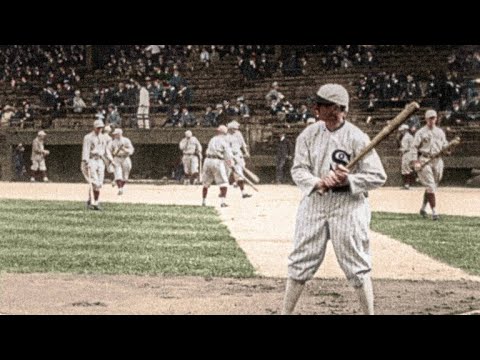
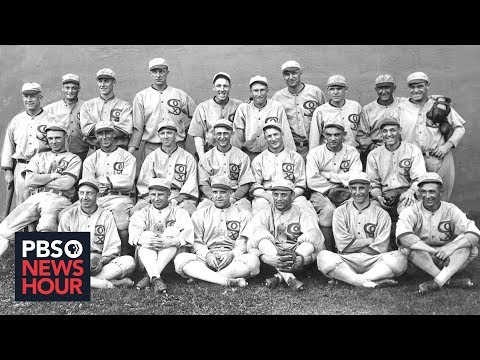
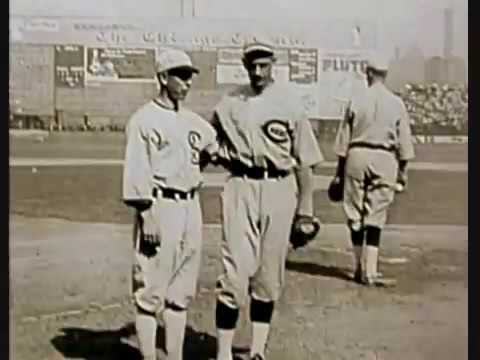
Eddie Bennett was an American batboy and mascot for several teams, most notably the New York Yankees during the 1920s and 1930s. At the time of his death, Bennett was considered to be the "most famous mascot in the world". Bennet had a spinal injury when he was very young which resulted in a hunchback. He was considered to be a "good luck charm" by the members of the club, and became a well-known celebrity in New York. On May 19, 1932, Bennett was hit by a taxi on a New York City street. He suffered a broken leg and other injuries from which he never recovered. To find relief from the pain he suffered from the injuries, Bennett started to abuse alcohol. He was forced to retire as the Yankees mascot in the middle of 1933 season, although Ruppert insisted he remain on the payroll all year. The New York Times reported that the "notoriously superstitious" ballplayers and fans blamed Bennett's absence on the Yankees' failure to win the pennant in 1933 and 1934. In January 1935, Bennett died penniless due to alcoholism.

Fun Fact

When Eddie Bennett died penniless in a rooming house in Manhattan, New York not a single member of the Yankee organization attended his funeral.

Cemetery Information:

Final Resting Place:

St. John Cemetery

80-01 Metropolitan Avenue

Middle Village, New York, 11379

USA

North America

Map:
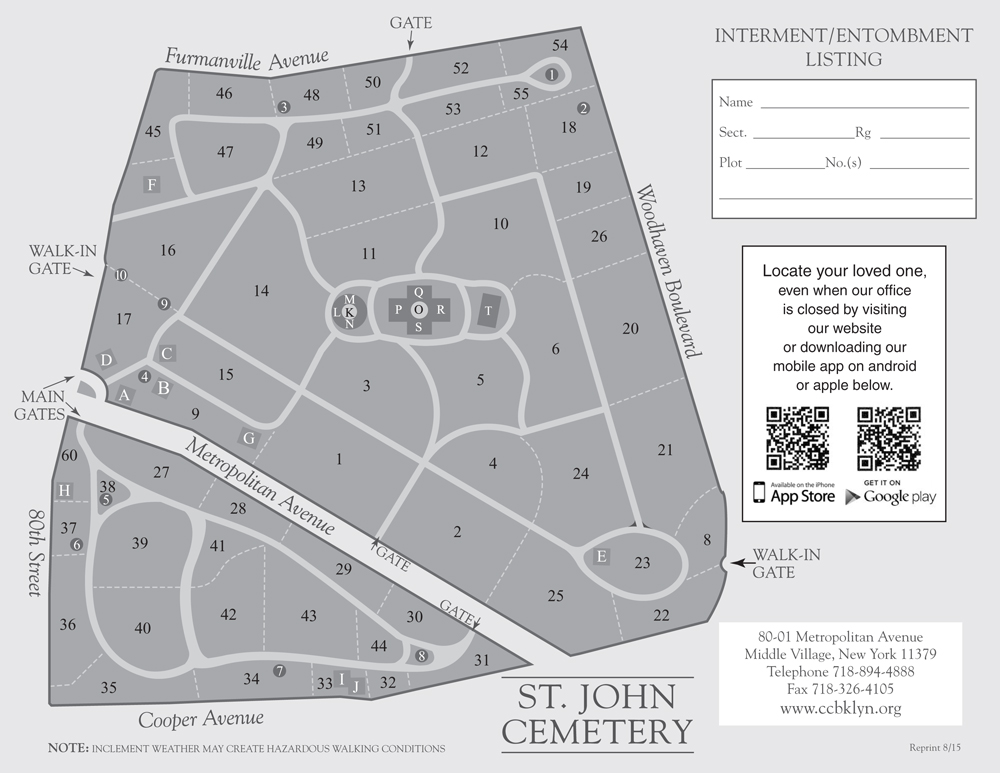
Grave Location:

Section 34, Row DD, Grave 64

Grave Location Description

After entering the cemetery’s east entrance, take the first gate on your left to head southwest. Head along this road for about 0.3 miles. Edward’s Bennett nameplate will be located in the grassy section on your left. His grave is near the road, and about 50 feet southeast of the intersection between Sections 34, 40, and 42.

Grave Location GPS

40.710599, -73.867760

Photos:

[+]
[+]
[+]
[+]
[+]
[+]
[+]
[+]
[+]
[+]
[+]
[+]
[+]
[+]

FAQ's

Eddie Bennett was born on 1904.

Eddie Bennett was born in Flatbush, Brooklyn, New York.

Eddie Bennett died on 01/16/1935.

Eddie Bennett died in 115 W. 84th Street, Manhattan, New York.

Eddie Bennett was 31.

The cause of death was Alcoholism.

Eddie Bennett's grave is in St. John Cemetery

Read More About Eddie Bennett:

Videos Featuring Eddie Bennett:

See More:

Pancho González

popular name: Pancho González

date_of_death: July 3, 1995

age: 67

cause_of_death: Stomach cancer

claim_to_fame: Sports

best_know_for: Often called "The Greatest Tennis Player to Never Win Wimbledon", Pancho González was one of the greatest tennis player in the history of the sport. During his life time he won 111 titles including 15 major singles titles (including two U.S. National Singles Championships in 1948 and 1949) and 13 Professional Grand Slam titles. He also won three Tournament of Champions professional events in 1957, 1958, and 1959. He was ranked world amateur No. 1 in 1948 and in 1949. González was a prominent professional champion in the 1950s and 1960s, winning world professional championship tours between 1954 and 1961 and was the world #1-ranked male tennis player professional between 1952 and 1961. Sadly he died in near poverty, estranged from his family and few friends he had. Yet even today, in any discussion of the "best tennis player of all time," Gonzalez is named among a group that includes Bill Tilden, Ellsworth Vines, Rod Laver, Jack Kramer, Budge, Bjorn Borg and John McEnroe. He was inducted into the International Tennis Hall of Fame in 1968.

Catfish Hunter

popular name: Catfish Hunter

date_of_death: September 9, 1999

age: 53

cause_of_death: Amyotrophic lateral sclerosis (ALS or Lou Gehrig's disease)

claim_to_fame: Sports

best_know_for: Jim "Catfish" Hunter, whose pitching prowess earned him five World Series rings, 224 victories, a spot in the Baseball Hall of Fame and made him the game's first big-money free agent. Recruited right out of high school at age 18, Hunter won his first major-league game, and a year after that, at 20, he made the American League All-Star team in a season in which he finished 9-11. He reached 20 wins for the first time in 1971 with a 21-11 record and won at least 20 games the next four seasons. In 1974, he was 25-12 and won the Cy Young Award. In 1968, he pitched a perfect game against the Minnesota Twins, the seventh perfect game in modern baseball history at the time. And the Athletics, by then in Oakland, dominated baseball in the early '70s with the likes of Hunter, Reggie Jackson, Sal Bando, Gene Tenace, Rollie Fingers and a group that played hard, on and off the field. "We were the long-haired, mustached gang from Oakland," Hunter said. "We were lucky just to be there, was what they said." After the Oakland A's, Hunter signed with the New York Yankees not because they offered the most money, but rather it was close to his home in North Carolina. Hunter's first season with the Yankees was his last of five consecutive 20-win years. He was 23-14 for the 1975 Yankees and pitched for them until 1979, when he retired at 33, with a 224-166 record and a 3.26 ERA. He was on World Series-winning teams with Oakland in 1972-74 and New York in 1977-78. At age 52 he was diagnosed with ALS (Lou Gehrig's Disease) and passed away the following year.

Randy Smith

popular name: Randy Smith

date_of_death: June 4, 2009

age: 60

cause_of_death: Heart attack

claim_to_fame: Sports

best_know_for: Randy Smith was an American professional basketball player who set the NBA record for consecutive games played. From 1972 to 1982, Smith played in every regular season game, en route to a then-record of 906 straight games (since broken by A.C. Green). After college graduation, Smith was chosen by the nearby Buffalo Braves with the 104th pick in the 1971 NBA Draft (in the seventh round). Playing for the Buffalo Braves / San Diego Clippers (1971–1979) Smith surprised everyone in training camp, and he made the final roster cuts. Despite standing only 6-foot-3, he was assigned to play forward. He averaged 13.4 points per game in his rookie season. Smith continued to improve beyond expectation, drawing on his tremendous speed, quickness and leaping ability. His style of play, along with contemporaries like Julius Erving, marked by fast breaks and "above the rim" ball movements influenced the offensive style of the NBA in the late 1970s and early 1980s. Playing alongside league scoring champion Bob McAdoo, Smith averaged 21.8 points per game in the 1975–76 season, and was named to the All-NBA Second Team. Smith continued his successful career with the Cleveland Cavaliers, the New York Knicks, then a return to the San Diego Clippers before retiring after 15 games with the Atlanta Hawks. After retiring as a player, Smith was an NBA league executive whose duties included assisting former players in need, and he was a coach in the Continental Basketball Association before working at Mohegan Sun in Uncasville, where he worked in marketing. Upon his death, he was interred at Forest Lawn East Cemetery in North Carolina.

Back to Top