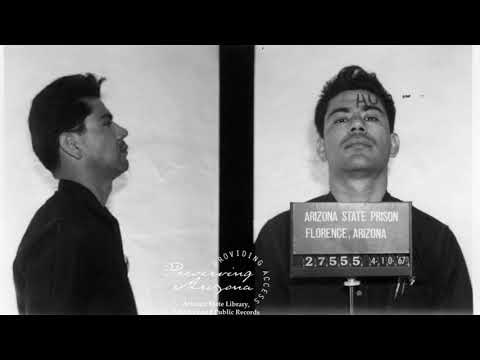
Ernesto Miranda

Birth Name:
Ernesto Arturo Miranda
Birth Date:
March 9, 1941
Birth Place:
Mesa, Arizona
Death Date:
January 31, 1976
Place of Death:
La Amapola Bar, 233 S. 2nd Street, Phoenix, Arizona
Age:
34
Cause of Death:
Stabbing
Cemetery Name:
Mesa Cemetery
Claim to Fame:
Crime and their Victims
If you have ever been on the wrong side of a conversation with local police and were read your rights (You have the right to remain silent ...) then you have Ernesto Miranda (actually his attorney) to thank. Ernesto Miranda was a violent, predatory American criminal and day laborer whose conviction on kidnapping, rape, and armed robbery charges based on his confession under police interrogation was set aside in the landmark U.S. Supreme Court case Miranda v. Arizona, which ruled that criminal suspects must be informed of their right against self-incrimination and their right to consult with an attorney before being questioned by police. This warning is known as a Miranda warning.

Fun Fact

After the Supreme Court decision set aside Miranda’s initial conviction, the state of Arizona tried him again. At the second trial, with his confession excluded from evidence, he was convicted. He was sentenced to 20-30 years in prison.

Miranda was paroled in 1972. After his release, he started selling autographed Miranda warning cards for $1.50. In a bit of irony, the man who stabbed Ernesto twice was read his Miranda rights and upon release for lack of evidence, fled to Mexico and was never heard from again.

As the popular comedian Ron White once said, “I had the right to remain silent … but I didn’t have the ability.”

Cemetery Information:

Final Resting Place:

Mesa Cemetery

1212 N. Center Street

Mesa, Arizona, 85201

USA

North America

Map:
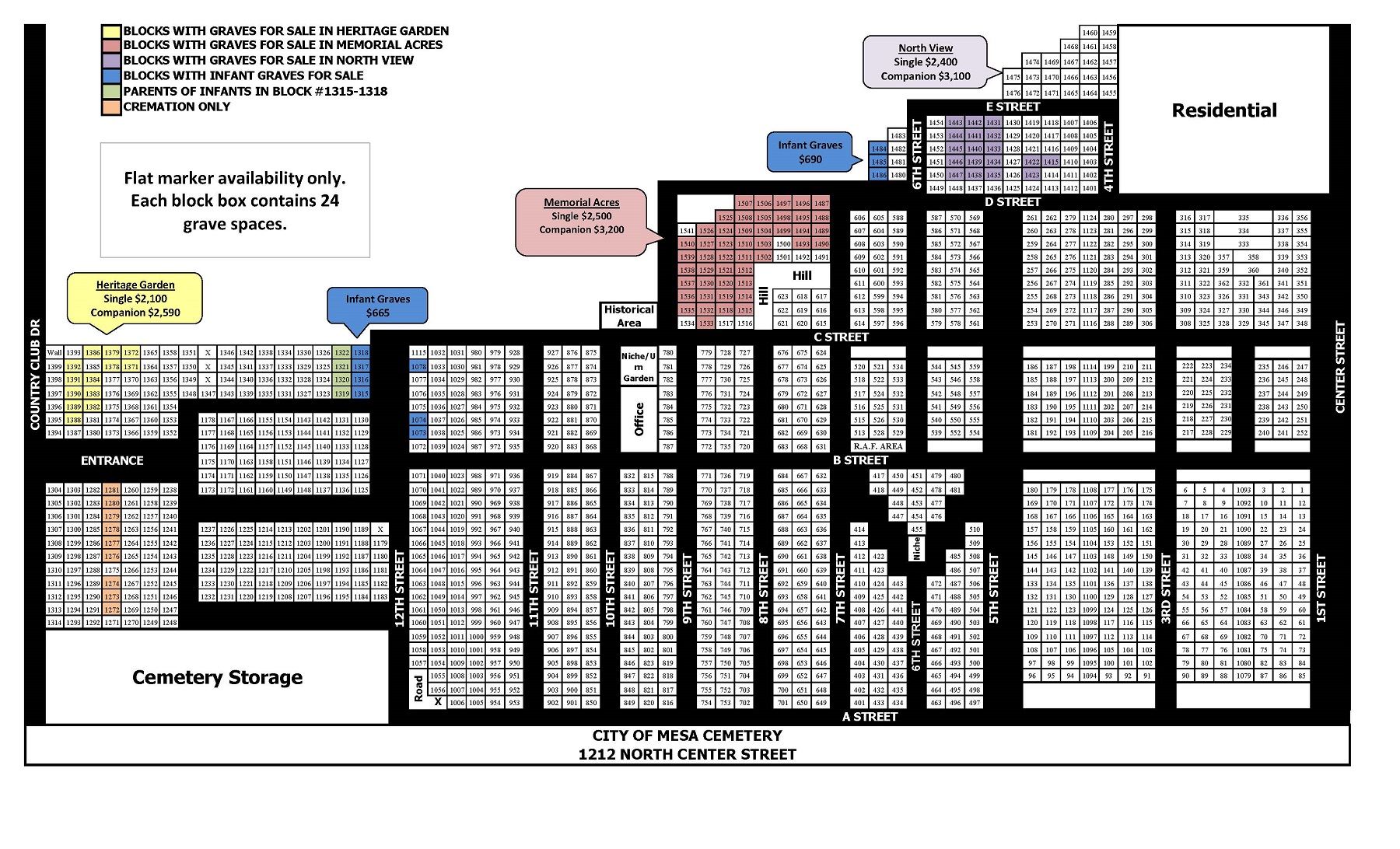
Map of Mesa Cemetery, Mesa Arizona

Grave Location:

Plot 677, Grave 2

Grave Location Description

As you enter the cemetery you will find, in order, streets 1 through 12 and running perpendicular streets A, B, C and D. Look for the intersection of 8th Street and “C” Street and walk along 8th Street and look in the 3rd from the road and approximately 7 plots from “C” Street for the final resting place Ernesto Miranda.

Grave Location GPS

33.4393133, -111.83501833

Visiting The Grave:

Photos:

[+]
[+]
[+]
[+]
[+]
[+]
[+]
[+]
[+]
[+]

FAQ's

Ernesto Miranda was born on March 9, 1941.

Ernesto Miranda was born in Mesa, Arizona.

Ernesto Miranda died on January 31, 1976.

Ernesto Miranda died in La Amapola Bar, 233 S. 2nd Street, Phoenix, Arizona.

Ernesto Miranda was 34.

The cause of death was Stabbing.

Ernesto Miranda's grave is in Mesa Cemetery

Read More About Ernesto Miranda:

Videos Featuring Ernesto Miranda:

See More:

Kitty Menéndez

popular name: Kitty Menéndez

date_of_death: August 20, 1989,

age: 47

cause_of_death: Homicide - gunshot wounds

claim_to_fame: Crime and their Victims

best_know_for: Kitty Menendez was a former beauty queen, school teacher and mid-level Beverly Hills socialite who was married to entertainment executive Jose Menendez. Sadly Kitty and Jose will always be remembered as the murder victims of their two sons - Erik and Lyle. In August of 1989 the couple’s two sons, Lyle and Erik, drove a small white hatchback up to the house, got their weapons from the trunk and entered the house via the French doors. The first shot from a .12 gauge shotgun hit José in the back of the head and killed him instantly. They continued with two more shots, tearing open both arms. Kitty was not so lucky as they pumped 10 shots as she tried to crawl away with the final shotgun blast to the face. Lyle dialed the fake 911 call and told police they had arrived home after a movie to the grisly discovery as smoke from the gunshots still loomed in the air. But as the months passed after the execution-style deaths, police were struck by the sons’ lavish spending sprees: buying Rolex watches, private tennis lessons, expensive clothing, jewelry, a Porsche, and even a chicken wings restaurant. After two hung juries, a third trial found them guilty of murder and sentenced the two sons to life without parole.

Dr. Francis E. Sweeney

popular name: Dr. Francis E. Sweeney

date_of_death: July 9, 1964

age: 70

cause_of_death: Natural causes

claim_to_fame: Crime and their Victims

best_know_for: From 1935 to 1938, 12 bodies – some people say 13 - were dumped in the area known as Kingsbury Run, a creek bed that ran from East 90th Street and Kinsman Road to the Cuyahoga River. The victims included seven men and five women. Most were hobos and prostitutes, people living on the edge at a time when Cleveland was hard hit by the Great Depression. Many weren't missed for months. Then 80 years after Frank Dolezal was murdered in his prison cell as the suspected serial killer, multiple investigators have uncovered both old and new evidence that most certainly points to Dr. Francis Sweeney as the actual Cleveland Torso Murderer. Dr. Sweeney perfectly fit the profile of the Cleveland Torso Murderer and had the medical expertise required for dismembering human bodies. Alas we was never arrested as he committed himself to a mental hospital after extensive questioning by Eliot Ness, special agent assigned to the killings. He died in 1964 and was interred at Calvary Cemetery in Cleveland, OH.

Judd Gray

popular name: Judd Gray

date_of_death: January 12, 1928

age: 35

cause_of_death: Executed by electrocution

claim_to_fame: Crime and their Victims

best_know_for: Judd Gray was a corset salesman and Ruth Brown Snyder's lover and accomplice in the badly planned murder of her husband, Albert Snyder. The bored housewife from Queens, New York who, after 7 or so unsuccessful attempts, finally succeeded in killing her husband Albert Snyder with the assistance of her lover Henry Judd Gray using a combination dumb bell beat-down and strangulation. Although found guilt and executed in Sing Sing Prison, that is not what made this pathetic couple famous. During the execution photographer Tom Howard of the Chicago Tribune, with a small plate camera strapped to his ankle, took the infamous picture just as the electricity was running through Ruth Snyder's body that was published the next day in the New York Daily News. As one crime reporter said during the trial, the Snyder-Gray murder was a "cheap crime involving cheap people".

Back to Top