Charles Louis Fleischmann
Birth Name:
Charles Louis Fleischmann
Birth Date:
November 3, 1835
Birth Place:
Krnov, North Moravia, Czech Republic
Death Date:
December 10, 1897
Place of Death:
524 Forest Avenue, Avondale, Cincinnati, Ohio
Age:
62
Cause of Death:
Paralysis
Cemetery Name:
Spring Grove Cemetery
Claim to Fame:
Business and Finance
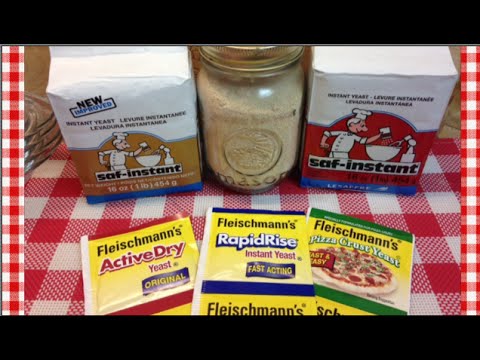
Charles Louis Fleischmann was a Hungarian-American who, along with his brother Maximilian and another partner, created America’s first commercially produced yeast, which revolutionized baking in a way that made today’s mass production and consumption of bread possible. It all began in 1870 when, at the instigation of his partner, Charles began to make yeast by a Hungarian method with which he had been long familiar. The patent for making compressed yeast from the froth or scum formed during the manufacture of malt or spirituous liquors was taken out, however, by his brother Henry, who assigned it to Fleischmann & Gaff in return for an annuity. This yeast was slow in finding a market, so that the partners nearly failed. As a last resort they put on a huge exhibit at the Philadelphia Centennial Exposition, at which spectators could see the yeast made, the dough set, and the bread baked, and could then adjourn to a restaurant and eat the bread. The exhibit was popular; the restaurant yielded a cash profit; and the advertising value of the enterprise was enormous. Thereafter there was no trouble in selling Fleischmann’s yeast. After Gaff’s death in 1879, Fleischmann bought his share in the business for $500, 000. His wealth grew rapidly. He became a director in some twenty-five Cincinnati enterprises and was president of a cooperage company, a large vinegar works in Illinois, a newspaper company, and the Market National Bank. He took a hand in civic affairs, was fire commissioner in 1890, was elected as a Republican to the state Senate in 1879 and again in 1895, and was a friend and adviser of William McKinley. Today Fleischmann's Yeast is the #1 seller of yeast and the #2 manufacture of vinegar in the world. Upon his death, he was laid to rest at Spring Grove Cemetery in Cincinnati, Ohio.
Fun Facts
Characteristic of his generosity, and of his sense of power, was Charles Fleischmann treatment of the cashier of the Market National Bank, who absconded in 1893 with the bank’s reserve of $160, 000. Fleischmann, fearing a disastrous run, made up the loss out of his own pocket, accepted a deed for the cashier’s house, and kept the whole transaction a secret until after the man’s death. Then he deeded the house back to his widow.
Cemetery Information:
Final Resting Place:
Spring Grove Cemetery
4521 Spring Grove Avenue
Cincinnati, Ohio, 45232
USA
North America
Map:
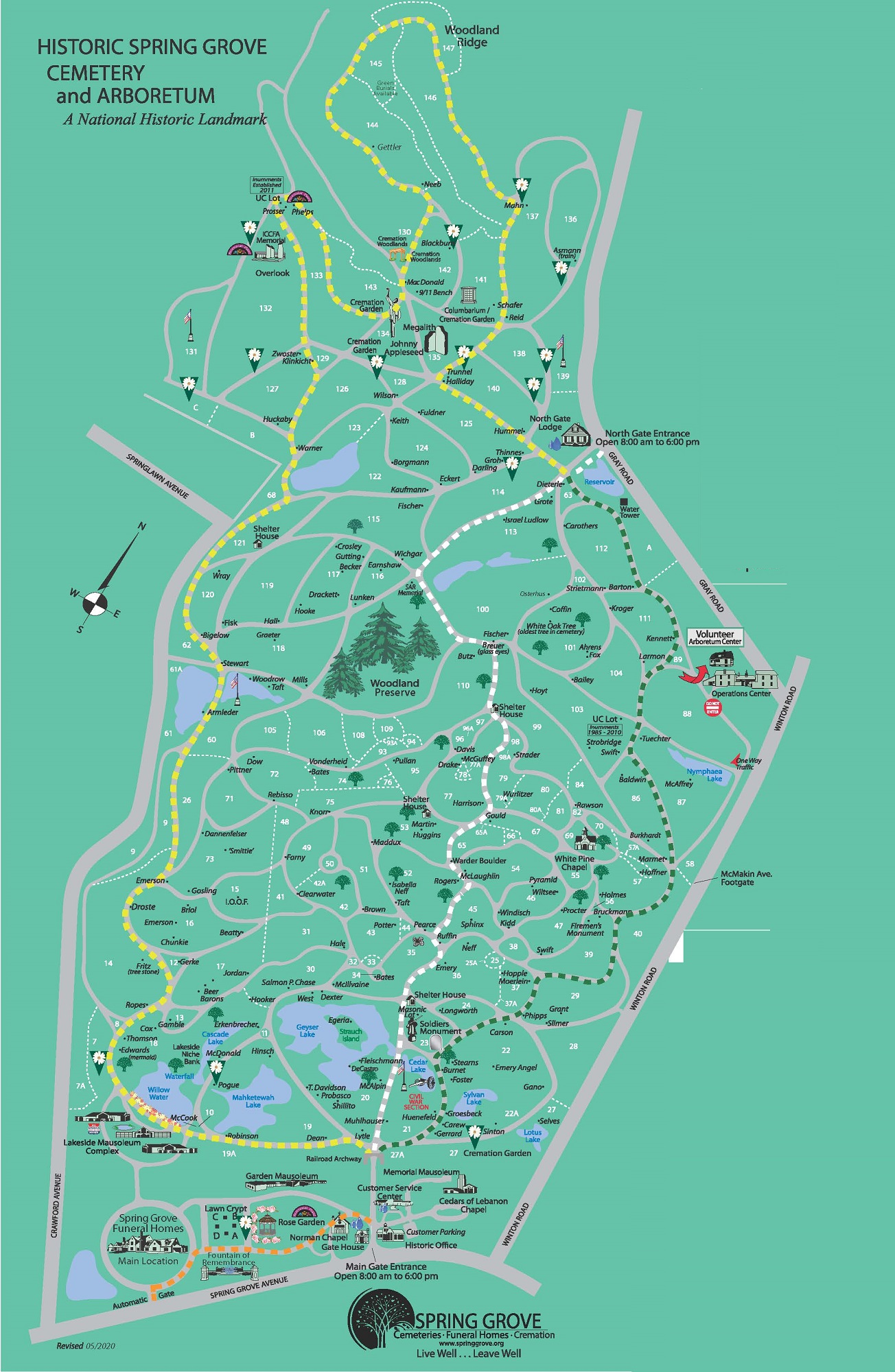
Grave Location:
Section 20, Lot L, Crypt 1Grave Location Description
As you drive into the cemetery entrance (not the funeral home entrance) go under the railroad arch and continue straight for 300 feet. Look to your left and 100 feet from the road along the lake is the Fleischmann Mausoleum.
Grave Location GPS
39.16731239901551, -84.52480675503928Visiting The Grave:
Photos:
[+]
[+]
[+]
[+]
[+]
[+]
[+]
[+]
[+]
[+]
[+]
[+]
[+]
[+]
[+]
FAQ's
Charles Louis Fleischmann was born on November 3, 1835.
Charles Louis Fleischmann was born in Krnov, North Moravia, Czech Republic.
Charles Louis Fleischmann died on December 10, 1897.
Charles Louis Fleischmann died in 524 Forest Avenue, Avondale, Cincinnati, Ohio.
Charles Louis Fleischmann was 62.
The cause of death was Paralysis.
Charles Louis Fleischmann's grave is in Spring Grove Cemetery
Read More About Charles Louis Fleischmann:
- Wikipedia Entry
- 1871: Dashing Yeast Baron Who Would Reform Cincinnati's Police Is Born
- Moguls & Mansions: Major Max C. Fleischmann
- The Greenacres Art Center Was Once a Country Estate in the 1920s
- Spillian: A Place to Revel
- Theranos Founder Elizabeth Holmes Comes from a Baker's Yeast Empire
- 4 Startling Insights Into Elizabeth Holmes From Psychiatrist Who's Known Her Since Childhood
- Wealth and privilege allowed Elizabeth Holmes to start Theranos
Videos Featuring Charles Louis Fleischmann:
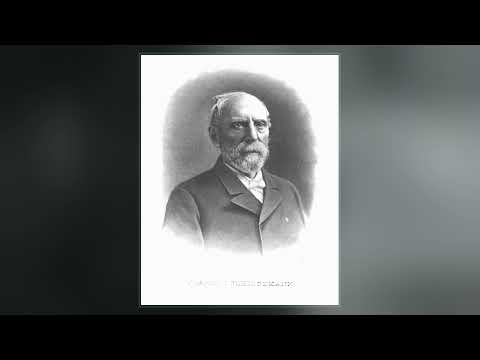
About Charles Louis Fleischmann
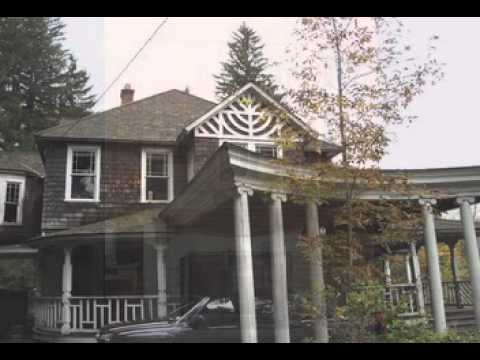
The Fleischmann Estate

Elizabeth Holmes: The 'Valley of Hype' behind the rise and fall of Theranos

Elizabeth Holmes & The Theranos Deception - 60 Minutes Archive
Here's Everything You Need To Know About Yeast
Demystifying Yeast
Peekskill Museum "The Fleischmann's Family and Baseball"
See More:
Back to Top