Jean Giono
Fun Facts
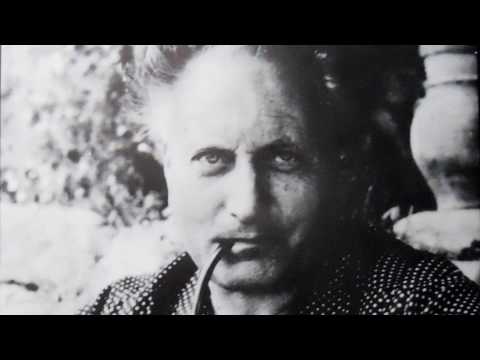
The tomb of Jean Giono bears the epitaph: “Where I am going, no one is going, no one has ever been, no one will go.” I go there alone, the country is virgin, and it disappears behind my steps”. He rests alongside his widow Élise who died in 1997 at the age of 101.
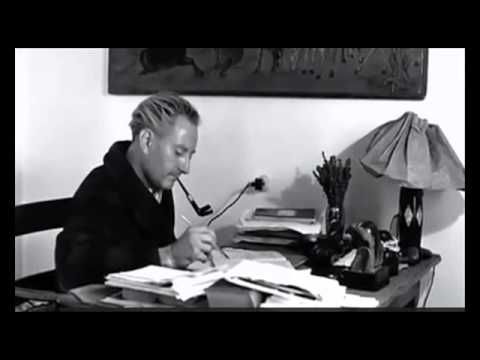
From 1930 to 1970, the Paraïs (located at 3, Boulevard Élémir Bourges, Manosque, France) was the home and refuge of Jean Giono, his wife Elise and their two daughters. The writer produced almost all of his work there and left after his death a personal library comprising more than 8,000 works, an important documentary fund of letters, photos, manuscripts, private papers, works of art and furniture. The home where he lived and passed away is now open to the public.
Cemetery Information:
Final Resting Place:
Cimetière ancien de Manosque
Avenue de l'Argile
Manosque , Alpes-de-Haute-Provence, 04100
France
Europe
Grave Location:
Giono Family PlotGrave Location Description
As you enter the cemetery, walk forward about 75 feet, look to your left, and there you will find the final resting place of writer and poet Jean Giono.
Grave Location GPS
43.83927122114882, 5.779229119974834Photos:
FAQ's
Read More About Jean Giono:
Videos Featuring Jean Giono: