Jimmie Rodgers

AKA:
The Singing Brakeman
Birth Name:
James Charles Rodgers
Birth Date:
September 8, 1897
Birth Place:
Meridian, Mississippi
Death Date:
May 26, 1933
Place of Death:
Taft Hotel, New York, New York
Age:
35
Cause of Death:
Tuberculosis
Cemetery Name:
Oak Grove Baptist Church Cemetery
Claim to Fame:
Music
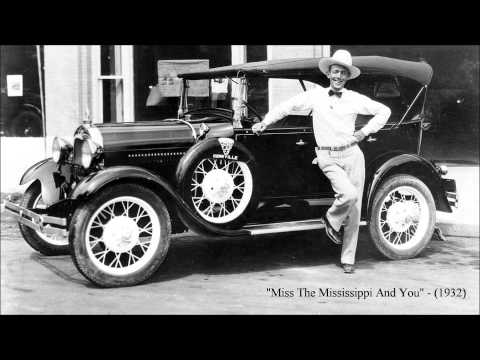
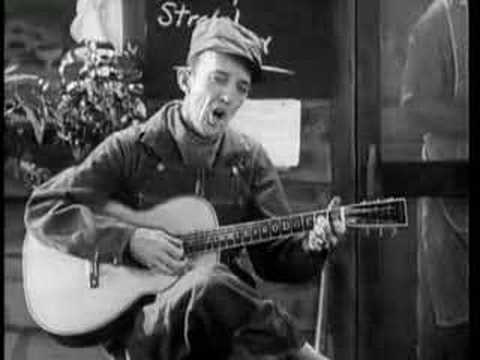
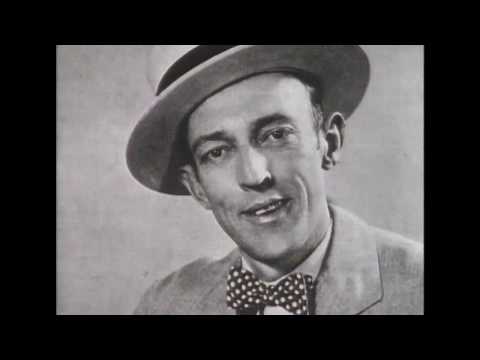
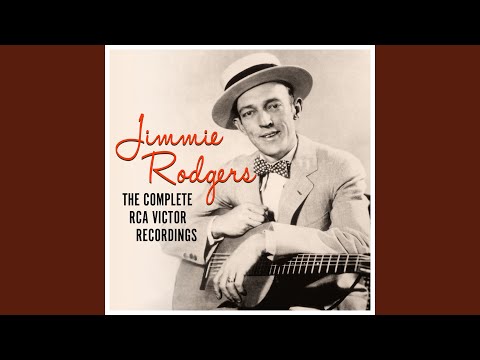
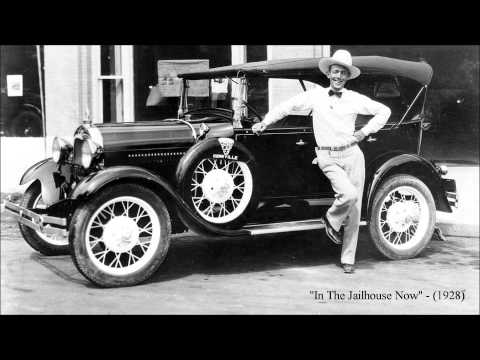
Jimmie Rodgers was an American singer, songwriter and musician who rose to popularity in the late 1920s. Widely regarded as "the Father of Country Music", he is best known for his distinctive rhythmic yodeling. During his all-to brief career, Rodgers was known as "The Singing Brakeman" and "America's Blue Yodeler". Born in 1897 in Meridian, Mississippi, Jimmie learned to play guitar while working on the railroad as a water boy and brakeman. He was influenced by the music played and the songs sung by the African American railway workers he met at the railway yard and around town – their call-and-response singing style during work and the blues songs they sang made a distinctive mark on Rodgers’ sound. He also spent time in Meridian’s opera house, vaudeville theaters, and hotels where he heard jazz, parlor music, and popular tunes, all of which also provided inspiration. During what later became known as the Bristol sessions, Rodgers recorded solo as he was deserted by his band after a disagreement. A second session with Rodgers was later arranged in Camden, New Jersey, that produced "Blue Yodel No. 1 (T for Texas)". The song became a success and it propelled Rodgers to national fame, while it assured him a recording career that produced over 100 songs for the label. As the Father of Country Music, Jimmie Rodgers has been inducted into The Country Music Hall of Fame, The Rock and Roll Hall of Fame, The Blues Hall of Fame, The Songwriters Hall of Fame, The Nashville Songwriters Hall of Fame. The Alabama Music Hall of Fame and the Blue Ridge Music Hall of Fame. Rolling Stone magazine placed Rodgers at number 11 on the 100 Greatest Country Artists of All Time list.

The Final Recording Session

Rodgers and his personal nurse, Cora Bedell, arrived on May 14, 1932 in New York City on board of the SS Mohawk. Peer left the singer to rest at his usual lodging, the Taft Hotel, for a few days before the session. Meanwhile, he assigned Rodgers a driver known as Castro. The recording session in charge of Fred Maisch begun on May 17, at Victor’s New York studios at 153 E 24th Street. During the first two days, Rodgers recorded six numbers while the state of his health often paused the session: the singer sat on an easy chair and he was helped by pillows to reach the microphone. A new session was scheduled for May 24, 1933. Rodgers produced four songs while he needed to lie on a cot between takes. At the end of the day, he was helped into a cab and he returned to the hotel. The next day, he recovered and then visited Coney Island with his driver. When returning, Rodgers decided to walk the last few blocks to the hotel until he needed help to return to his room. He then suffered of an intense cough that stopped. At midnight, he resumed coughing, and he began to hemorrhage. The hotel’s doctor could not be found and Castro, who was out on an errand, returned too late to take him to a hospital. Rodgers fell in a coma, and he died soon after.

Cemetery Information:

Final Resting Place:

Oak Grove Baptist Church Cemetery

801 Oak Grove Drive

Meridian, Mississippi, 39301

USA

North America

Grave Location:

Rodgers Family Plot

Grave Location Description

From Azalea Drive, at the fork in the road, veer left onto Oak Grove Road. The cemetery will be on the right just past the church. The grave is in the front (about 30 feet from the road), just behind the red Mississippi Country Music Trail marker dedicated to America’s Blue Yodeler Jimmie Rodgers.

Grave Location GPS

32.368020, -88.660015

Visiting The Grave:

Photos:

[+]
[+]
[+]
[+]
[+]
[+]
[+]
[+]
[+]
[+]
[+]
[+]
[+]
[+]
[+]
[+]
[+]
[+]

FAQ's

Jimmie Rodgers was born on September 8, 1897.

Jimmie Rodgers was born in Meridian, Mississippi.

Jimmie Rodgers died on May 26, 1933.

Jimmie Rodgers died in Taft Hotel, New York, New York.

Jimmie Rodgers was 35.

The cause of death was Tuberculosis.

Jimmie Rodgers's grave is in Oak Grove Baptist Church Cemetery

Read More About Jimmie Rodgers:

Videos Featuring Jimmie Rodgers:
See More:

Frédéric Chopin

popular name: Frédéric Chopin

date_of_death: October 17, 1849

age: 39

cause_of_death: Pericarditis - a rare complication of tuberculosis that causes swelling of the membrane surrounding the heart

claim_to_fame: Music

best_know_for: Frederic Chopin was a Polish-born pianist and composer of matchless genius in the realm of keyboard music. As a pianist, his talents were beyond emulation and had an impact on other musicians entirely out of proportion to the number of concerts he gave — only 30 public performances in 30 years. No one before or since has contributed as many significant works to the piano's repertoire, or come closer to capturing its soul.

Waylon Jennings

popular name: Waylon Jennings

date_of_death: February 13, 2002

age: 64

cause_of_death: Diabetic complications

claim_to_fame: Music

best_know_for: Waylon Jennings was the "outlaw" singer, songwriter and musician who was one of the founding pioneers of the Outlaw Movement in country music in the 1970s. A protégé of Buddy Holly and devotee of Hank Williams, he sold more than 40 million records, won 2 Grammy Awards, multiple Country Music Association awards including Male Vocalist of the Year, and was Ranked #7 in Rolling Stone's Top 100 Greatest Country Artists of All Time in a career spanning six decades. Upon his passing from diabetes complications, the legendary Waylon Jennings grave can be found at Mesa Cemetery in Mesa, Arizona.

Bill Black

popular name: Bill Black

date_of_death: October 21, 1965

age: 39

cause_of_death: Brain tumor

claim_to_fame: Music

best_know_for: When Elvis Presley cut his first ground-breaking single "That's All Right, Mama" he was backed by Sun Studio musicians Scotty Moore on guitar and Bill Black on bass. With D. J. Fontana later added as drummer, the four hit the road and played every dancehall, fairground and club that manager Tom Parker could book. Black and Moore became Presley's backup group and were paid 25% of his earnings with the group billed as "Elvis Presley and the Blue Moon Boys." Black played on early Presley recordings including "Good Rockin' Tonight", "Heartbreak Hotel", "Baby Let's Play House", "Mystery Train", "That's All Right", and "Hound Dog", and eventually became one of the first bass players to use the Fender Precision Bass (bass guitar) in popular music, on "Jailhouse Rock", in the late 1950s. But what could have been the first great rock 'n' roll band fell apart when Parker paid and treated the other musicians as just the hired help. In 1959, Black joined a group of musicians which became Bill Black's Combo. The original lineup was Black (bass), Joe Lewis Hall (piano), Reggie Young (guitar), Martin Willis (saxophone), and Jerry Arnold (drums) although there were several personnel changes over the years. The band released blues instrumental "Smokie" for Hi Records in December 1959 and the follow-up "Smokie, Part 2" became a No. 17 U.S. pop hit, and made number one on the "black" music charts. It sold over one million copies, and was awarded a gold disc by the RIAA. During his brief career the Bill Black Combo released 22 singles, 14 albums, and sold over 5 million records before Bill succumbing to brain cancer.

Back to Top