King Oliver

Birth Name:
Joseph Nathan Oliver
Birth Date:
December 19, 1885
Birth Place:
Aben, Louisiana
Death Date:
April 10, 1938
Place of Death:
Savannah, Georgia
Age:
52
Cause of Death:
Arteriosclerosis
Cemetery Name:
Woodlawn Cemetery
Claim to Fame:
Music
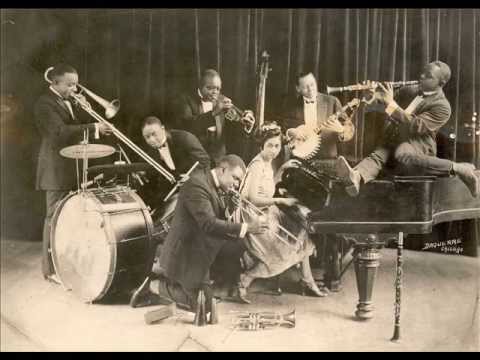
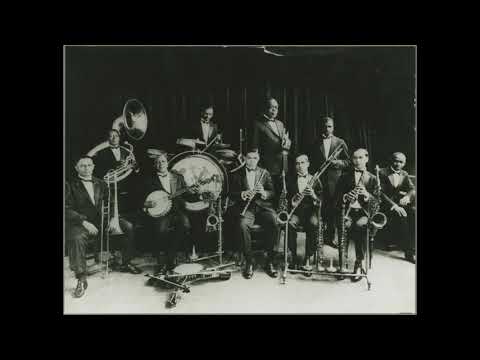
A pioneering jazz trumpet and cornet player, songwriter and bandleader Joseph “King” Oliver played an instrumental role in the popularization of jazz outside of New Orleans. Though born in Louisiana, Oliver spent much of his career in Chicago, where he established his legendary King Oliver’s Creole Jazz Band. Initially, the band included Louis Armstrong, formerly Oliver’s student in New Orleans. Ironically, Armstrong’s success ultimately overshadowed his mentor’s reputation as a jazz pioneer. As both a teacher and a musician, however, Oliver played an important role in the early history of jazz. Upon his death he was buried at Woodlawn Cemetery in the Bronx, New York City

A Very Sad Ending …

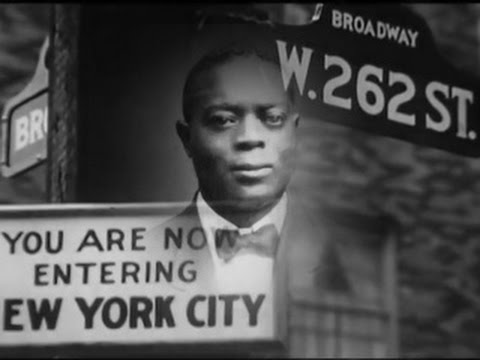
The end of Joe Oliver’s life was less than happy. His career-long dental problems, likely exacerbated by his habit of sipping sugar water “for energy” during performances, made it increasingly difficult to play the cornet. He lost his life savings in a bank collapse during the Great Depression, and spent the last years of his life touring with bands of increasing obscurity. Things only got worse when Oliver finally landed a long-term contract playing in New York’s Kentucky Club for pretty decent money, but made another bad decision when he passed up the chance to go to the newer Cotton Club because they paid less. Oliver unfortunately failed to take the powerful “Struggle Buggy Radio” broadcasts into account, something that Ellington, and his manager Irving Mills, did not overlook. The result was that Ellington’s fame grew while Oliver’s diminished. Later he was hired by the Savoy Ballroom before Chick Webb took up residence, but was unsatisfied with the pay. He tried to wangle more money out of management, but the end result was that he lost the job. Webb moved in as Oliver finally just gave up and moved back to Savannah, Georgia.

In Savannah Oliver was working in a pool hall trying to make enough money to buy an overcoat so he can get back to New York in the wintertime. But he never makes it. He dies, and there’s no money to bury him. Fortunately Louis Armstrong comes up with enough money to bury him at Woodlawn Cemetery in New York City, and he was pretty much forgotten until the hot jazz resurgence some 50 years after his passing.

Cemetery Information:

Final Resting Place:

Woodlawn Cemetery

4199 Webster Avenue

Bronx, New York, 10470

USA

North America

Map:
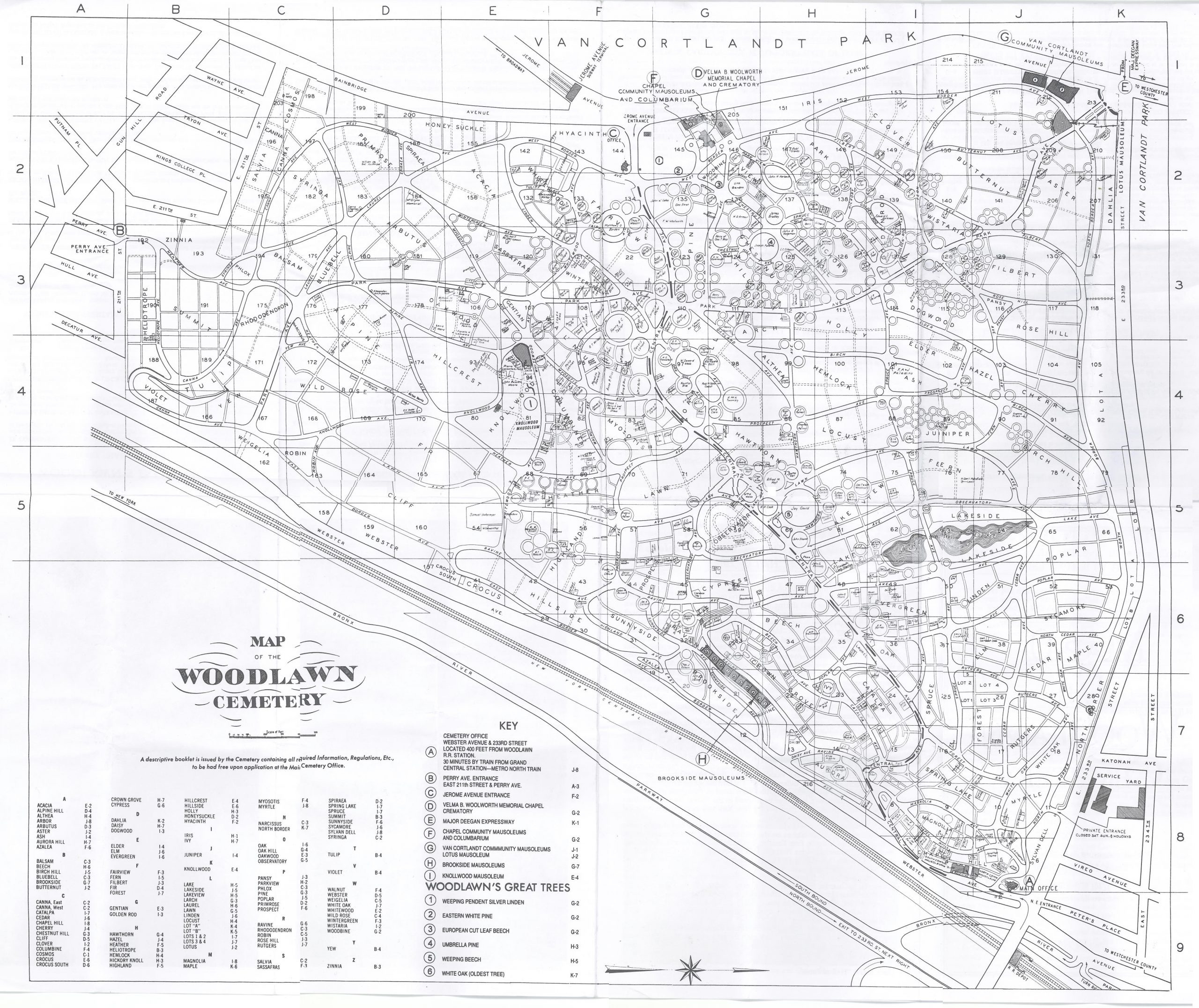
Map of Woodlawn Cemetery in the Bronx in New York City

Grave Location:

Salvia Plot, Section 195, Range 16

Grave Location Description

Drive to the lower part of the cemetery (C-2 on the official cemetery map) and take Canna Avenue around until it turns into Heliotrope Avenue. Park and walk to the edge of the cemetery. King Oliver is buried in a shared grave and 2nd to the left of one of the large trees across from a red brick building on the other side of the fence.

Grave Location GPS

40.880349723923736, -73.87263773346578

Photos:

[+]
[+]
[+]
[+]
[+]
[+]
[+]
[+]

FAQ's

King Oliver was born on December 19, 1885.

King Oliver was born in Aben, Louisiana.

King Oliver died on April 10, 1938.

King Oliver died in Savannah, Georgia.

King Oliver was 52.

The cause of death was Arteriosclerosis.

King Oliver's grave is in Woodlawn Cemetery

Read More About King Oliver:

Videos Featuring King Oliver:
See More:

Big Bill Broonzy

popular name: Big Bill Broonzy

date_of_death: August 15, 1958

age: 55

cause_of_death: Throat and lung cancer

claim_to_fame: Music

best_know_for: Big Bill Broonzy was an American blues singer, songwriter and guitarist and was one of the few country blues musicians of the '20s and '30s to find success when the music evolved into an electric, urbanized form. From his initial sides with Paramount in 1928, he followed the music's development closely. Switching to electric guitar and adding drums to his music in the late 1930s, he helped pave the way for the Chicago bluesmen that followed him. In the 1950s a return to his traditional folk-blues roots made him one of the leading figures of the emerging American folk music revival and an international star. His long and varied career marks him as one of the key figures in the development of blues music in the 20th century. Broonzy copyrighted more than 300 songs during his lifetime, including both adaptations of traditional folk songs and original blues songs. As a blues composer, he was unique in writing songs that reflected his rural-to-urban experiences. In 1980, he was inducted into the first class of the Blues Hall of Fame, along with 20 other of the world's greatest blues legends. In 2007, he was inducted into the first class of the Gennett Records Walk of Fame, along with 11 other musical greats, including Louis Armstrong, Jelly Roll Morton, Gene Autry, and Lawrence Welk.

Lefty Frizzell

popular name: Lefty Frizzell

date_of_death: July 19, 1975

age: 47

cause_of_death: Stroke

claim_to_fame: Music

best_know_for: Widely considered one of the greatest country singers who ever lived, Lefty Frizzell's body of work gives little indication of the enormous stylistic impact he had on country music beginning in the 1950s. Had Lefty died the way Hank Williams died - hard, fast and young - he'd probably be remembered with the same respect Hank commands today. But as it was, Lefty fought through a twenty-five-year career to keep his personal life together and his soul intact, only to eventually succumb to his own worst habits at the young age of 47. In the end, his recording career lasted 25 years. He had six Billboard No.1 hits and charted a total of 39 songs. The big hits include: “I Love You a Thousand Ways,” “Always Late,” “Long Black Veil,” “That’s the Way Love Goes,” “I Never Go Around Mirrors,” “If You’ve Got the Money, I’ve Got the Time,” “Mom and Dad’s Waltz” and “Saginaw, Michigan.” He later was voted into the Country Music Hall of Fame, the Rockabilly Hall of Fame and the Nashville Songwriters Hall of Fame.

Richard Berry

popular name: Richard Berry

date_of_death: January 24, 1997

age: 61

cause_of_death: Aneurysm complications

claim_to_fame: Music

best_know_for: Richard Berry's contribution to the world of music does not include a discussion of tonality or form; he did not conduct the Boston Symphony Orchestra, he didn't invent a new form of music and he never had a #1 hit record. Rather Richard Berry wrote and recorded a simple but indelible three-chord, famously slurred song that encouraged even the most tone deaf among us to sing along. Richard Berry wrote what has become the cornerstone of rock 'n' roll. Richard Berry wrote "Louie, Louie". Richard is buried at Inglewood Memorial Park in Inglewood, California.

Back to Top