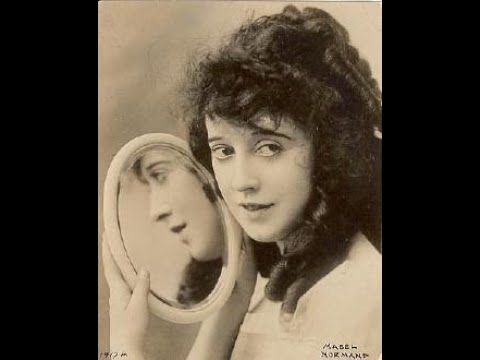
Mabel Normand

AKA:
Madcap Mabel
Birth Name:
Amabel Ethelreid Normand
Birth Date:
November 9, 1893
Birth Place:
New Brighton, New York
Death Date:
February 23, 1930)
Place of Death:
Pottenger Sanatorium, Monrovia, California
Age:
36
Cause of Death:
Tuberculosis
Cemetery Name:
Calvary Cemetery
Claim to Fame:
Show Business
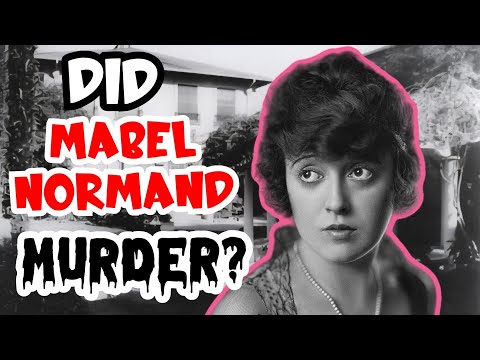
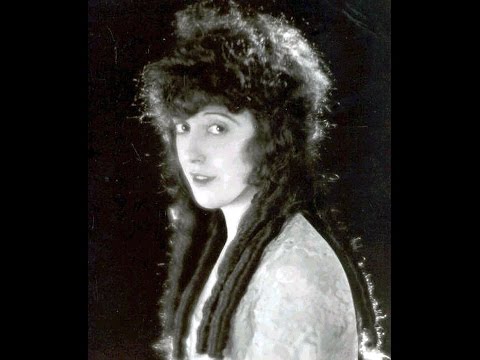
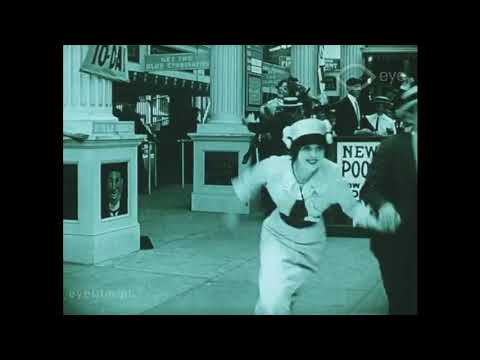
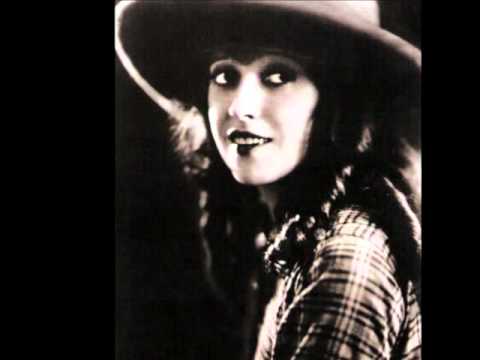
Mabel Normand, was an American silent film actress, comedienne, director and screenwriter. She was a popular star and collaborator of Mack Sennett in their Keystone Studios films, and at the height of her career in the late 1910s and early 1920s had her own film studio and production company, the Mabel Normand Feature Film Company. On screen, she appeared in twelve successful films with Charlie Chaplin and seventeen with Roscoe "Fatty" Arbuckle, sometimes writing and directing (or co-writing and directing) films featuring Chaplin as her leading man. Normand's name was repeatedly linked with gun violence, including the 1922 murder of her friend, director William Desmond Taylor, and the non-fatal 1924 shooting of Courtland S. Dines by Normand's chauffeur, Joe Kelly. While she was the last person to see Taylor alive, after police interrogation she was ruled out as a suspect in Taylor's murder. Normand was a heavy smoker who suffered from lung cancer and a recurrence of tuberculosis in 1923, which led to a decline in her health, an early retirement from films in 1926 and her death in 1930 at age 36.

Fun Facts

At the height of her fame as an actress, Mabel Normand was making $3,500 per week (a whooping $57,000 in today’s money).

Her father died two days before Mabel’s passing. She never knew.

When Walt Disney asked Chaplin’s input on what Snow White should look like, Chaplin described her as having dark hair and big dark eyes, just like Mabel Normand.

Her dying wish was to hear the confession from the murderer of William Desmond Taylor.

Cemetery Information:

Final Resting Place:

Calvary Cemetery

4201 Whittier Blvd, Los Angeles, CA

Los Angeles, California, 90023

USA

North America

Map:
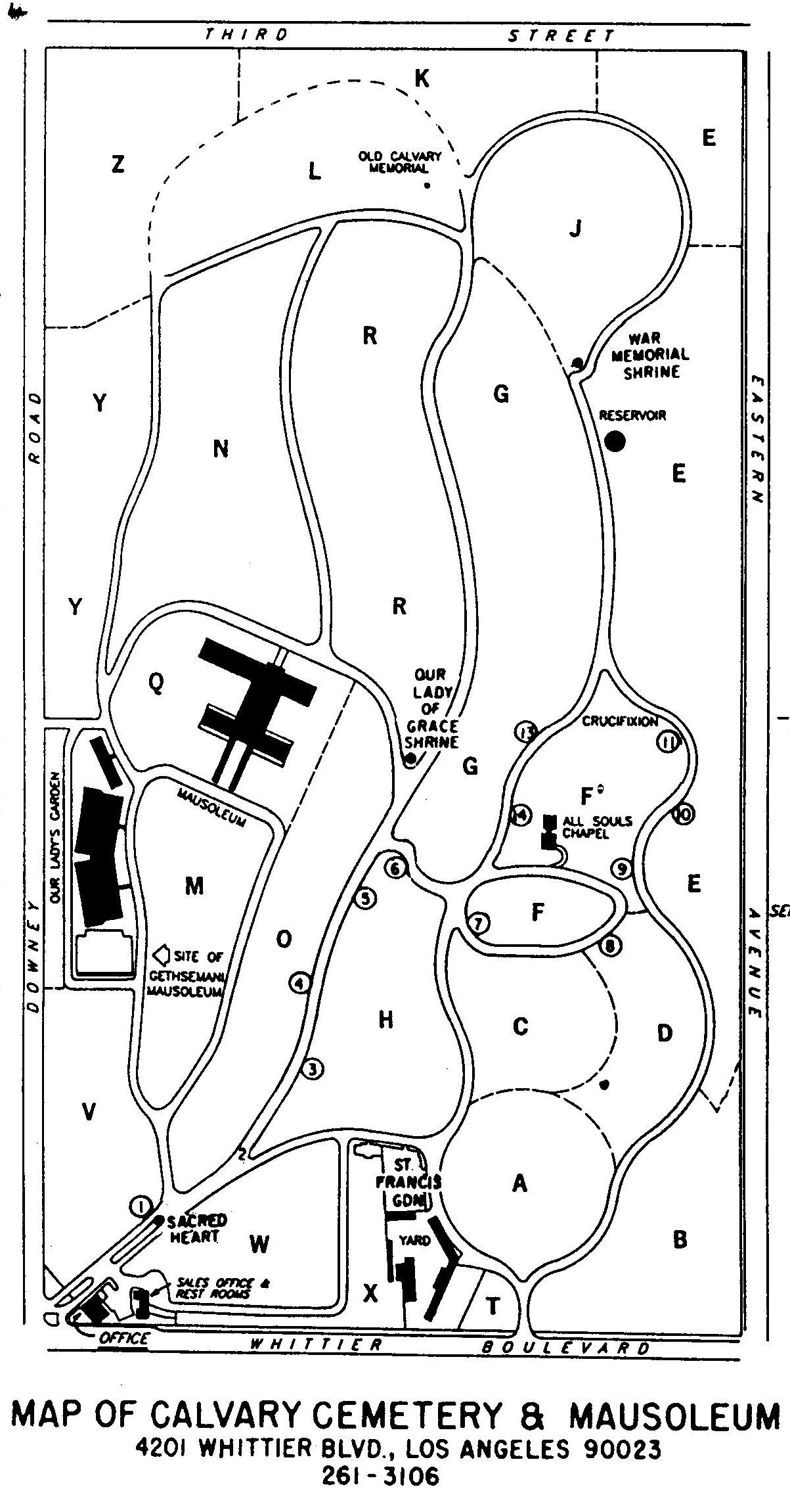
Map of Calvary Cemetery in Los Angeles, California
Calvary Cemetery in Los Angeles, California

Grave Location:

Main Mausoleum, Block 303, Crypt B-1

Grave Location Description

As you enter the cemetery from Downey Blvd, take and immediate left. Follow the road past 3 smaller mausoleums on your left until you come to the large, Main Mausoleum in Section Q. As you walk through the main entrance walk towards the back and take the stairs up to the 2nd floor. The great actress and director Mabel Normand can be found about thirty feet from the stairwell in the main hallway on your left.

Grave Location GPS

34.02829221139436, -118.17858341662117

Photos:

[+]
[+]
[+]
[+]
[+]
[+]
[+]
[+]
[+]
[+]

FAQ's

Mabel Normand was born on November 9, 1893.

Mabel Normand was born in New Brighton, New York.

Mabel Normand died on February 23, 1930).

Mabel Normand died in Pottenger Sanatorium, Monrovia, California.

Mabel Normand was 36.

The cause of death was Tuberculosis.

Mabel Normand's grave is in Calvary Cemetery

Read More About Mabel Normand:

Videos Featuring Mabel Normand:

See More:

Emile Meyer

popular name: Emile Meyer

date_of_death: March 19, 1987

age: 76

cause_of_death: Alzheimer's disease

claim_to_fame: Show Business

best_know_for: Emile Meyer was a character actor who had a successful Hollywood career playing menacing, intense characters in classic western and dramatic movies. Meyer started his acting career landing roles in such films as the Richard Widmark drama "Panic in the Streets" (1950), the Spencer Tracy drama "The People Against O'Hara" (1951) and the western "Shane" (1953) with Alan Ladd. He also appeared in "Drums Across the River" (1954) with Audie Murphy, "Riot in Cell Block 11" (1954) and the Edmond O'Brien crime drama "Shield For Murder" (1954). His passion for acting continued to his roles in projects like the western "White Feather" (1955) with Robert Wagner, "The Tall Men" (1955) and "The Maverick Queen" (1956) with Barbara Stanwyck. He also appeared in the western "Gun the Man Down" (1956) with James Arness. Toward the end of his career, he tackled roles in the western "Young Jesse James" (1960) with Ray Stricklyn, the comedy "Move Over, Darling" (1963) with Doris Day and the Nick Adams biopic "Young Dillinger" (1965). He also appeared in "The Long Ride Home" (1967) with Glenn Ford and "Hostile Guns" (1967). One of Meyer's final roles was a part in "Macon County Line" (1974) with Alan Vint. Upon his death, he was laid to rest at Greenwood Cemetery in New Orleans, Louisiana.

Ed Sullivan

popular name: Ed Sullivan

date_of_death: October 13, 1974

age: 73

cause_of_death: Esophageal cancer

claim_to_fame: Show Business

best_know_for: Comedian Alan King once said, "Ed Sullivan can’t sing, can’t dance and can’t tell a joke, but he does it better than anyone else." Ed Sullivan's ultimate claim to fame was that he hosted the longest running prime time variety show in the history of television. On camera, his much imitate persona was that of a humorless, stone-faced emcee. Yet off camera his life was full of glamour with a great career who truly loved to be recognized on the streets of New York City. Ed loved the New York nightlife, an avid world traveler who lived the life of an eccentric celebrity living in the Delmonico Hotel.

Katharine Hepburn

popular name: Katharine Hepburn

date_of_death: June 29, 2003

age: 96

cause_of_death: Cardiac arrest

claim_to_fame: Show Business

best_know_for: Katharine Hepburn was an American actress whose career as a Hollywood leading lady spanned over six decades. She was known for her headstrong independence, spirited personality, and outspokenness, cultivating a screen persona that matched this public image, and regularly playing strong-willed, sophisticated women. Her work was in a range of genres, from screwball comedy to literary drama, and earned her various accolades, including four Academy Awards for Best Actress—a record for any performer. After a brief lull in her early career, Hepburn continued to be articulate and outspoken, transitioning to more mature roles in films as varied as "Summertime," "Suddenly Last Summer," and, notably, 1962's "Long Day's Journey into Night," considered by many her dramatic high water mark. Hepburn challenged herself in the latter half of her life as she tackled Shakespearean stage productions and a range of literary roles. She found a niche playing mature, independent, and sometimes unmarried women such as in The African Queen (1951), a persona the public embraced. Hepburn received three more Academy Awards for her performances in Guess Who's Coming to Dinner (1967), The Lion in Winter (1968), and On Golden Pond (1981). In the 1970s, she began appearing in television films, which later became her focus. She made her final screen appearance at the age of 87. After a period of inactivity and ill health, Hepburn died in 2003 at the age of 96.

Back to Top