Sergei Rachmaninoff
Birth Name:
Sergei Vasilyevich Rachmaninoff
Birth Date:
April 1,1873
Birth Place:
Semyonovo, Staraya Russa, Novgorod Governorate, Russian Empire
Death Date:
March 28, 1943
Place of Death:
610 North Elm Drive, Beverly Hills, California
Age:
69
Cause of Death:
Melanoma
Cemetery Name:
Kensico Cemetery
Claim to Fame:
Music
Sergei Rachmaninoff was a Russian composer, virtuoso pianist, and conductor and is widely considered one of the finest pianists of his day and, as a composer, one of the last great representatives of Romanticism in Russian classical music. Rachmaninoff’s music is known for its complexity and the rich melodies that take audiences on a journey of soaring, expansive emotions. His various piano concertos bear testament to a mastery and knowledge of that instrument’s nuances that puts him among the greatest artists in classical music. He didn’t have that one distinctive piece that makes a connection to his music easy, such as Ludwig von Beethoven’s “Symphony No. 5,” Pyotr Illich Tchaikovsky’s “1812 Overture,” George Gershwin’s “Rhapsody in Blue,” or Richard Wagner’s “Ride of the Valkyries.” Rachmaninoff’s signature piece, his “Piano Concerto No. 2,” is considered the greatest piano concerto ever written—an intense display of piano virtuosity that illustrates the composer’s depth and breadth better than anything in his repertoire. His early fame came with the Prelude in C-sharp Minor, but his first symphony's failure in 1897 led to a deep depression and creative crisis. He eventually recovered and made a triumphant return with his Piano Concerto No. 2, which remains one of his most beloved works. Rachmaninoff became internationally known for his virtuosic piano playing and deeply expressive compositions, including the Piano Concerto No. 3, Symphony No. 2, and Rhapsody on a Theme of Paganini. After leaving Russia due to the 1917 Revolution, he settled in the United States, where he focused more on performance and conducting, composing less frequently. His final major work, Symphonic Dances, reflects a nostalgic and reflective tone. Upon his death, he was interred at Kensico Cemetery in Valhalla, New York.
Cemetery Information:
Final Resting Place:
Kensico Cemetery
273 Lakeview Avenue
Valhalla, New York, 10595
USA
North America
Map:
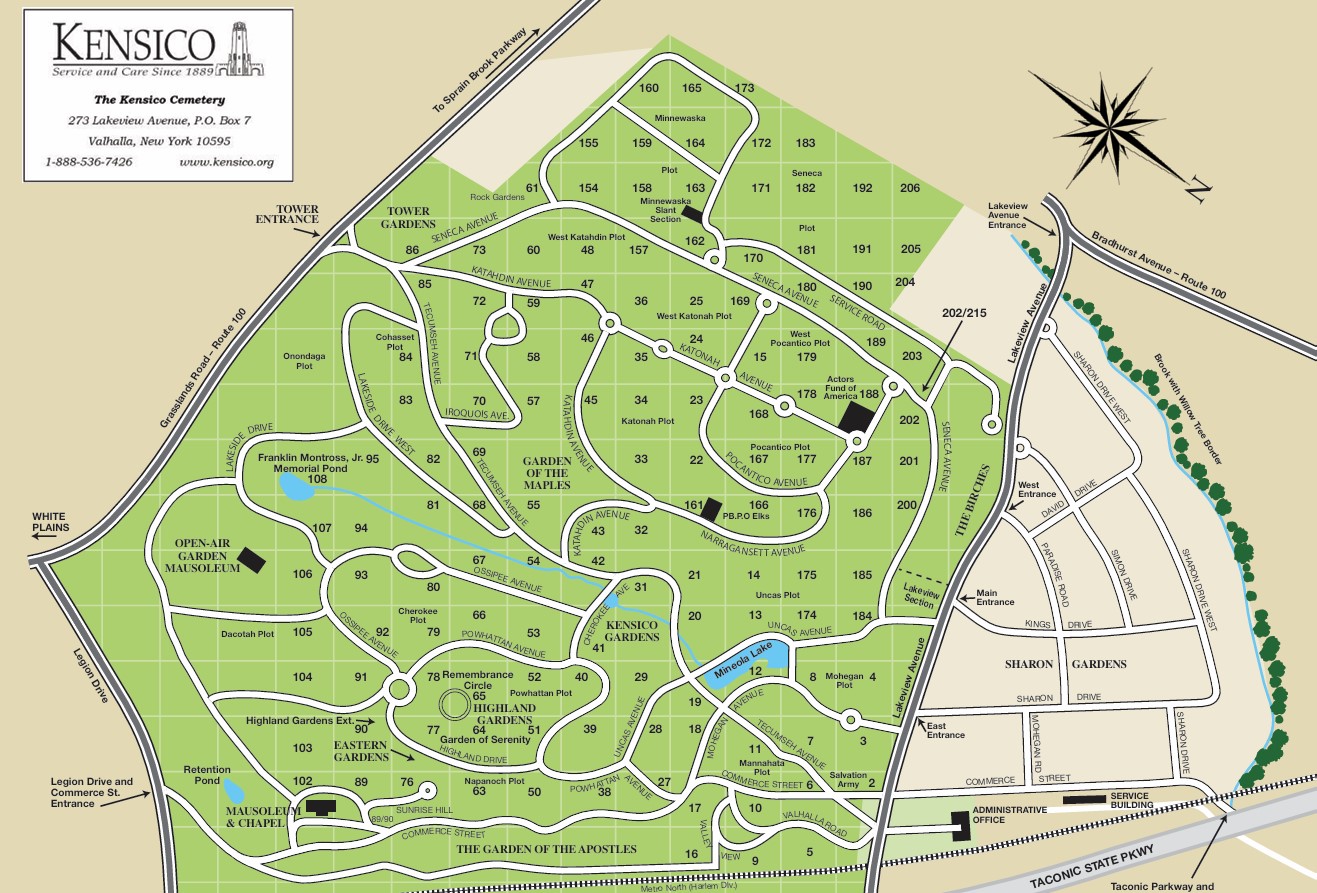
Map of Kensico Cemetery in Valhalla, New York
Grave Location:
Pocantico Plot, Section 187, Lot 38Grave Location Description
As you enter the cemetery from Lakeview Avenue, turn onto Uncas Avenue and make the very first right turn onto Seneca Avenue. Drive along, curving to the left and then turn right onto Pocantico Avenue. Drive 300 feet and the intersection of Pocantico and Katonah Avenue you will find the very well appointed garden gravesite of the classical music master Rachmaninoff,
Grave Location GPS
41.078835, -73.790520Visiting The Grave:
Photos:
[+]
[+]
[+]
[+]
[+]
[+]
[+]
[+]
[+]
[+]
[+]
FAQ's
Sergei Rachmaninoff was born on April 1,1873.
Sergei Rachmaninoff was born in Semyonovo, Staraya Russa, Novgorod Governorate, Russian Empire.
Sergei Rachmaninoff died on March 28, 1943.
Sergei Rachmaninoff died in 610 North Elm Drive, Beverly Hills, California.
Sergei Rachmaninoff was 69.
The cause of death was Melanoma.
Sergei Rachmaninoff's grave is in Kensico Cemetery
Read More About Sergei Rachmaninoff:
- Wikipedia Entry
- World History: Sergei Rachmaninoff
- Rachmaninov in Lucerne
- The Joy of Rachmaninoff Production Stills
- Rachmaninoff’s Retreat in Switzerland Opens to the Public
- Gallery Photographs of Rachmaninoff Homes and Relatives
- The Music of Sergei Rachmaninoff
- The Rachmaninoff Foundation
- Rachmaninoff Family Denounces Russian Officials' Reburial Push
- Rachmaninoff Was Here - Explore Rachmaninoff's Los Angeles
Videos Featuring Sergei Rachmaninoff:

Sergei Rachmaninoff life and death - Mini documentary
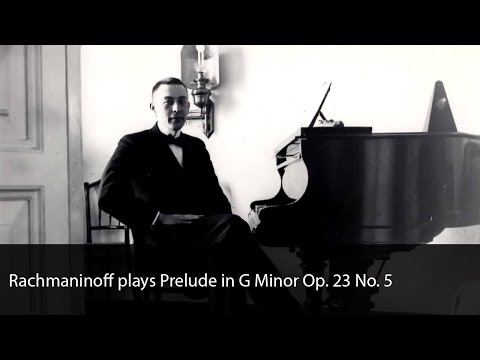
Rachmaninoff plays Prelude in G Minor Op. 23 No. 5 Classical Masterpieces 49K subscribers Subscribe

Rachmaninoff plays Kreisler's Liebesfreud
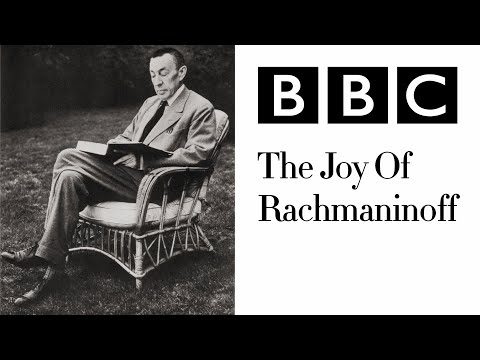
The Joy of Rachmaninoff - BBC Documentary

Rachmaninoff plays Chopin Nocturne Op. 9 No. 2

Riccardo Chailly at Sergei Rachmaninoff's Villa Senar
See More:
Back to Top