James Monroe
AKA:
President James Monroe
Birth Name:
James Monroe
Birth Date:
April 28, 1758
Birth Place:
Monroe Hall, Virginia
Death Date:
July 4, 1831
Place of Death:
New York City, New York
Age:
73
Cause of Death:
Tuberculosis
Cemetery Name:
Hollywood Cemetery
Claim to Fame:
Historical Figure
James Monroe was an American statesman, lawyer, diplomat and Founding Father who served as the fifth president of the United States from 1817 to 1825. He oversaw major westward expansion of the U.S. and strengthened American foreign policy in 1823 with the Monroe Doctrine, a warning to European countries against further colonization and intervention in the Western Hemisphere.
Cemetery Information:
Final Resting Place:
Hollywood Cemetery
412 South Cherry Street
Richmond, Virginia, 23220
United States
North America
Map:
Grave Location:
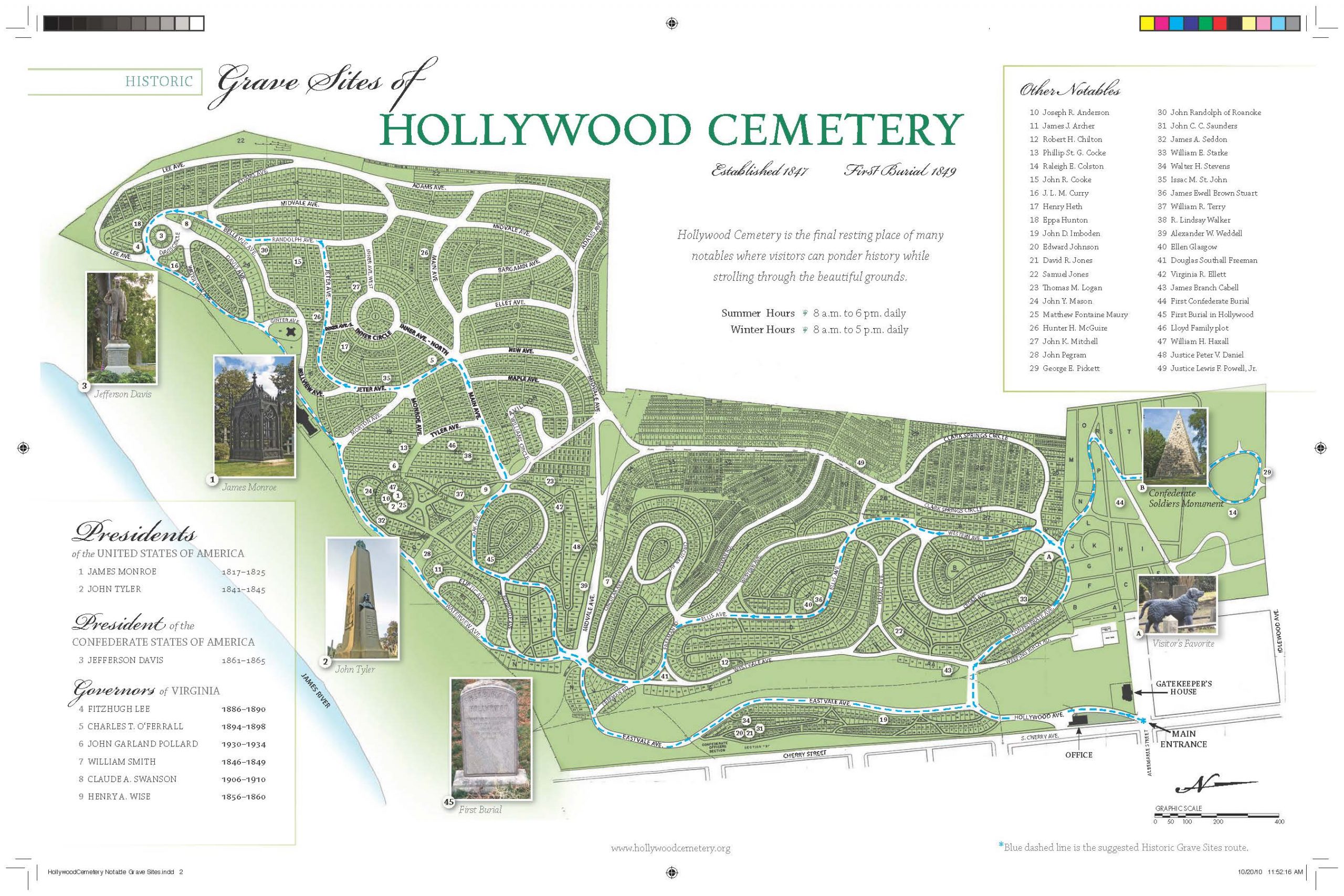
Section: Mount, Plot: 1, 2, and 3Grave Location Description
As you enter the cemetery turn left and follow the blue line on Eastvale Avenue. Stay to the left as it turns into Westvale Avenue and continue along until you come to Morton Avenue. Turn right on Morton Avenue and then right again on Monroe Avenue and then look for the single car parking spot for the President’s Circle. Walk down the path and you will find both John Tyler and James Monroe in the small circle of gravesites.
Grave Location GPS
37.53378849789, -77.4565217868Photos:
[+]
[+]
[+]
[+]
[+]
[+]
[+]
[+]
[+]
[+]
[+]
[+]
[+]
[+]
[+]
[+]
[+]
[+]
[+]
[+]
FAQ's
James Monroe was born on April 28, 1758.
James Monroe was born in Monroe Hall, Virginia.
James Monroe died on July 4, 1831.
James Monroe died in New York City, New York.
James Monroe was 73.
The cause of death was Tuberculosis.
James Monroe's grave is in Hollywood Cemetery
Read More About James Monroe:
- Wikipedia Entry
- 5 Reasons to Remember James Monroe
- 13 Facts About James Monroe
- 10 Major Accomplishments of James Monroe
- 10 facts about President James Monroe
- 15 Quirks of U.S. Presidents You Didn’t Learn in School
- James Monroe: Impact and Legacy
- James Monroe: Life Before the Presidency
- James Monroe: "The Era of Good Feelings"
- A Brief Biography of James Monroe
- About James Monroe
Videos Featuring James Monroe:

James Monroe: 60-Second Presidents
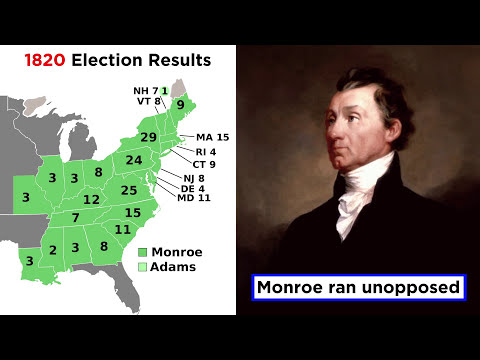
James Monroe: Last Cocked Hat (1817-1825)
Fast Facts on President James Monroe
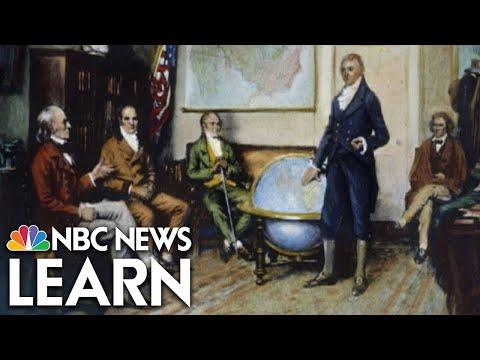
The Era of Good Feelings

The Life and Sad Ending of James Monroe Documentary

President James Monroe enslaved hundreds of people. Now, their descendants are helping re-write his
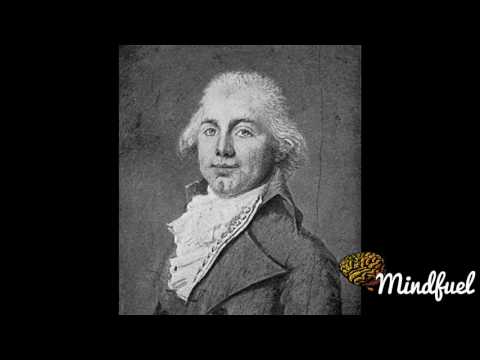
James Monroe Documentary

Presidential Podcast - James Monroe

Life Portrait of James Monroe
See More:
Back to Top