George Gershwin

Birth Name:
Jacob Gershwine
Birth Date:
September 26, 1898
Birth Place:
New York City, New York
Death Date:
July 11, 1937
Place of Death:
Cedars of Lebanon Hospital, Los Angeles, California
Age:
38
Cause of Death:
Glioblastoma of the right temporal lobe (malignant brain tumor)
Cemetery Name:
Westchester Hills Cemetery
Claim to Fame:
Music
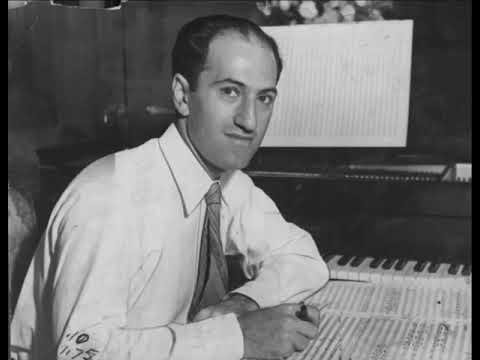
George Gershwin (1898–1937) was an American composer and pianist who became one of the most influential musicians of the early twentieth century. Born in Brooklyn, New York, to Russian Jewish immigrant parents, he began studying piano as a child and developed an early interest in popular music. As a teenager, he worked as a song plugger, demonstrating new songs to customers, before beginning his career writing music for Broadway shows. Gershwin gained recognition in 1919 with his song “Swanee,” which became a major hit. He later collaborated with his older brother, lyricist Ira Gershwin, creating many popular songs and Broadway musicals, including Lady, Be Good! and Of Thee I Sing. Gershwin became especially famous for combining elements of jazz, blues, and popular music with classical musical traditions. In 1924, he composed Rhapsody in Blue, a groundbreaking work that blended jazz influences with orchestral music. Other important compositions included An American in Paris (1928), the piano concerto Concerto in F (1925), and the opera Porgy and Bess (1935), which featured songs such as “Summertime.” Throughout his career, Gershwin helped bridge the gap between popular and classical music, creating a distinctly American sound that influenced generations of composers. His career was cut short when he died of a brain tumor in 1937 at the age of 38. His Of Thee I Sing (1931) was the first musical to win the Pulitzer Prize for Drama.

The Last Day of George Gershwin’s Life

Suffering from blinding headaches since January, on the night of July 9, 1937, Gershwin collapsed at lyricist Yip Harburg’s house, where he had been working on the score of The Goldwyn Follies. His last words were “Fred Astaire”. He was rushed to Cedars of Lebanon Hospital in Los Angeles (now Cedars Sinai) and fell into a coma. Only then did his doctors come to believe that he was suffering from a brain tumor. Leonore called George’s close friend Emil Mosbacher and explained the dire need to find a neurosurgeon. Mosbacher immediately called pioneering neurosurgeon Harvey Cushing in Boston, who, retired for several years by then, recommended Walter Dandy, who was on a boat fishing in the Chesapeake Bay with Harry Nice, the governor of Maryland. Mosbacher called the White House and had a Coast Guard cutter sent to find the governor’s yacht and bring Dandy quickly to shore  Mosbacher then chartered a plane and flew Dandy to Newark Airport, where he was to catch a plane to Los Angeles. By that time, Gershwin’s condition was critical and the need for surgery was immediate. Before Dandy could arrive, in the early hours of Sunday, July 11, 1937, doctors at Cedars removed a large brain tumor, believed to have been a glioblastoma, but Gershwin died that morning at the age of 38.

Cemetery Information:

Final Resting Place:

Westchester Hills Cemetery

400 Saw Mill River Road (Route 9A)

Hastings-On-Hudson, New York, 10706

USA

North America

Map:
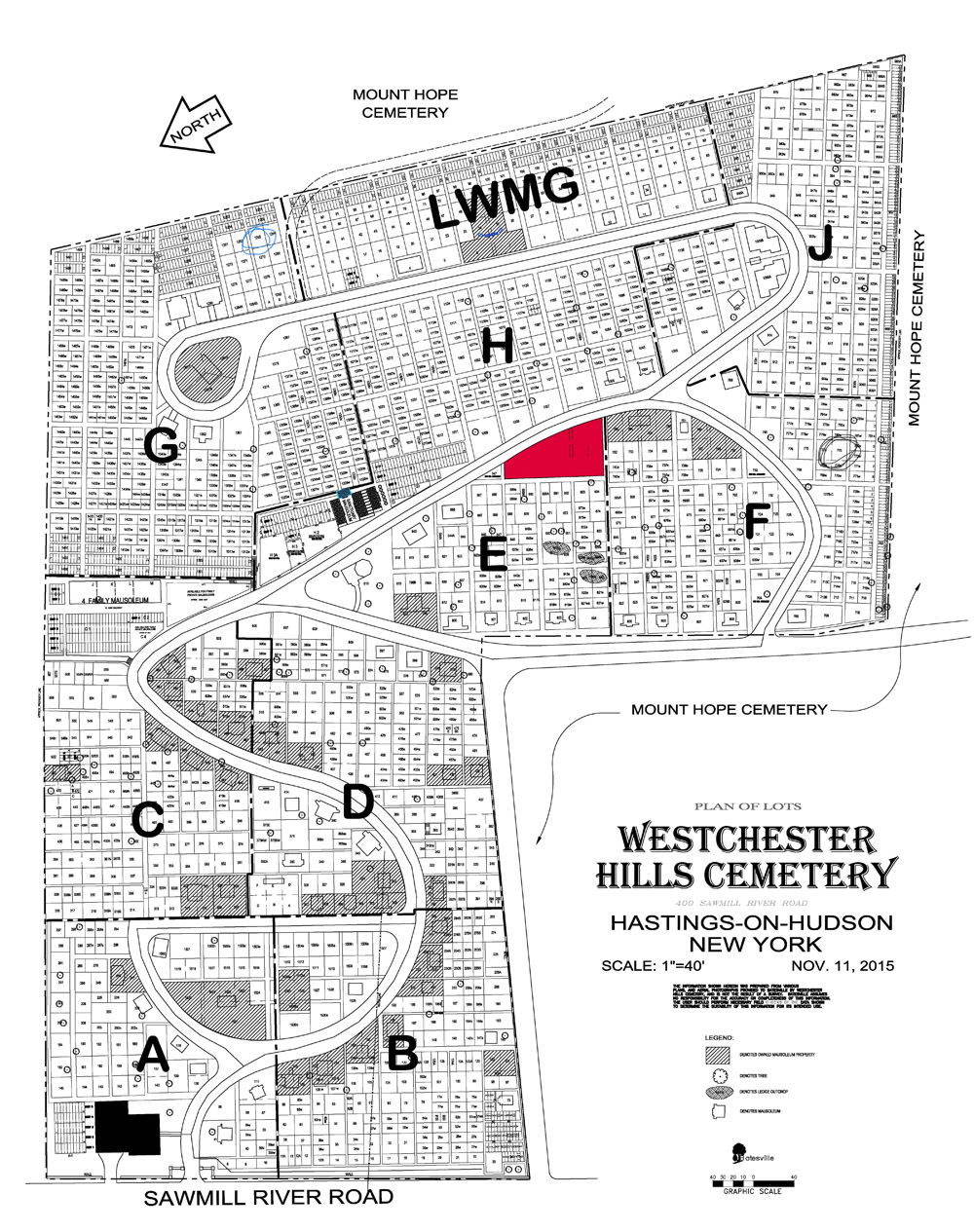
Map of Westchester Hills Cemetery at Hastings-on-Hudson, New York
Westchester Hills Cemetery at Hastings-on-Hudson, New York

Grave Location:

Section B, Plot 109, Grave 2

Grave Location Description

As you enter through the cemetery gates, veer to the right and composer George Gershwin’s mausoleum is the 3rd mausoleum on the right.

Grave Location GPS

40.994129, -73.859240

Visiting The Grave:

Photos:

[+]
[+]
[+]
[+]
[+]
[+]
[+]
[+]
[+]
[+]
[+]
[+]
[+]
[+]
[+]
[+]

FAQ's

George Gershwin was born on September 26, 1898.

George Gershwin was born in New York City, New York.

George Gershwin died on July 11, 1937.

George Gershwin died in Cedars of Lebanon Hospital, Los Angeles, California.

George Gershwin was 38.

The cause of death was Glioblastoma of the right temporal lobe (malignant brain tumor).

George Gershwin's grave is in Westchester Hills Cemetery

Read More About George Gershwin:

Videos Featuring George Gershwin:

See More:

Dimebag Darrell

popular name: Dimebag Darrell

date_of_death: December 8, 2004

age: 38

cause_of_death: Multiple gunshot wounds to the head

claim_to_fame: Music

best_know_for: As the cofounder with his brother Vinnie of Pantera and Damageplan, Dimebag Darrell was not only one of the most influential heavy metal guitarist but considered one of the greatest guitarist of modern times. Sadly his fame extended to his brutal death while performing onstage at the Alrosa Villa Nightclub in Columbus, Ohio.

Johnny Ace

popular name: Johnny Ace

date_of_death: December 25, 1954

age: 25

cause_of_death: Accidental gunshot to the head

claim_to_fame: Music

best_know_for: A popular R&B singer with a string of eight hits in a row including "Cross My Heart" and "Please Forgive Me", he blew his brains out on Christmas Day between sets after telling everyone ‘It’s okay! Gun’s not loaded… see?’ Interestingly enough, "Pledging My Love" was a posthumous R&B number 1 hit for 10 weeks beginning February 12, 1955, thus Johnny Ace became the first artist to reach the Billboard pop charts only after death.

Leroy Carr

popular name: Leroy Carr

date_of_death: April 29, 1935

age: 30

cause_of_death: Complications of nephritis due to alcoholism

claim_to_fame: Music

best_know_for: Leroy Carr, together with Scrapper Blackwell are arguably the two most underrated blues musicians of the 1920s and 1930s. What is undeniable is the two together created some of the most recorded blues classics including How Long, How Long Blues, Mean Mistreater Mama and When the Sun Goes Down.

Back to Top