Sir Douglas Mawson
AKA:
Sir Douglas Mawson OBE FRS FAA
Birth Name:
Douglas Mawson
Birth Date:
May 5, 1882
Birth Place:
Shipley, West Riding of Yorkshire, England
Death Date:
October 14, 1958
Place of Death:
"Jerbii", King Street, Brighton, South Australia, Australia
Age:
76
Cause of Death:
Cerebral haemorrhage
Cemetery Name:
St Jude's Church
Claim to Fame:
Science
Douglas Mawson is a world renowned Australian geologist, explorer, and scientist known for his pioneering work in Antarctica. Mawson began his studies at the University of Sydney where majored in geology and developed a passion for exploration. His first expedition began in 1907 when he joined Ernest Shackleton’s British Antarctic Expedition as a scientist. Although the expedition didn’t achieve all its goals, it laid the foundation for his future Antarctic ventures. In 1911 Mawson led the Australasian Antarctic Expedition (AAE), a scientific and exploration mission. This became one of his most notable achievements. Mawson and his team conducted significant geological surveys, made important meteorological observations, and explored previously uncharted areas of Antarctica. In 1912 during the AAE, Mawson embarked on a perilous journey to explore further inland, accompanied by two companions, Belgrave Ninnis and Xavier Mertz. Both men perished—Ninnis fell into a crevasse, and Mertz died from starvation and exposure. Mawson continued alone, suffering from exhaustion and frostbite but ultimately survived, managing to return to base, where he was hailed as a hero. After returning to Australia, Mawson continued his work in geology and advocated for further exploration in Antarctica. He was instrumental in the establishment of Australian research stations in Antarctica, was a key figure in the founding of the Australian Antarctic Division and played a role in ensuring Australia’s claim to parts of Antarctica. For his contributions, including being knighted in 1914, he also made significant contributions to the development of scientific research in polar regions and his name is associated with several geographic locations in Antarctica, and he remains a celebrated figure in Australian exploration history. Today Sir Douglas Mawson is considered one of the greatest men of his era both in Australia and by scientist around the world. Upon his death, he was laid to rest at St. Jude's Cemetery in Brighton, South Australia.
Cemetery Information:
Final Resting Place:
St Jude's Church
444 Brighton Road
Brighton SA 5048, South Australia,
South Australia, Australia
Australia / Oceania
Map:
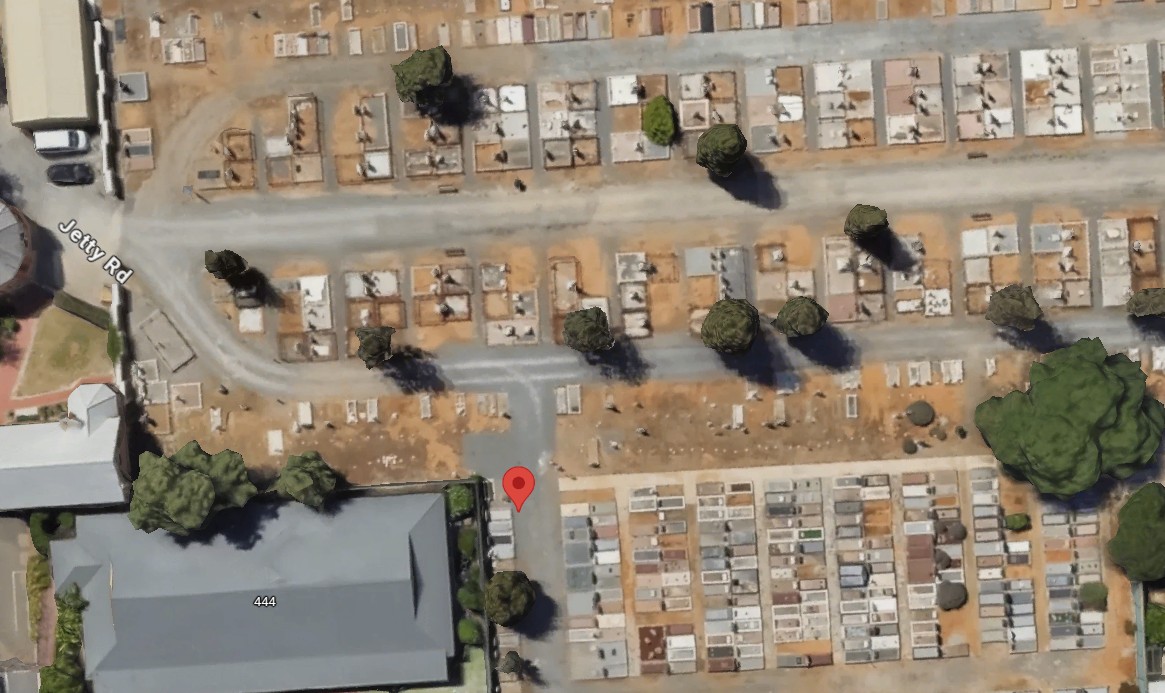
Map of St. Jude's Cemetery in Brighton, South Australia
Grave Location:
Mawson Family PlotGrave Location Description
As you enter the narrow cemetery from Jetty Road, stay to the right and follow the road around to the left. Take the first right and walk 50 feet down the path to his distinctive rock memorial and bench on the right. Looking at the memorial walk two more spaces for the actual grave of the legendary explorer Sir Douglas Mawson on your right.
Grave Location GPS
-35.017219, 138.524136Photos:
[+]
[+]
[+]
[+]
[+]
[+]
[+]
[+]
[+]
[+]
[+]
[+]
[+]
[+]
[+]
[+]
FAQ's
Sir Douglas Mawson was born on May 5, 1882.
Sir Douglas Mawson was born in Shipley, West Riding of Yorkshire, England.
Sir Douglas Mawson died on October 14, 1958.
Sir Douglas Mawson died in "Jerbii", King Street, Brighton, South Australia, Australia.
Sir Douglas Mawson was 76.
The cause of death was Cerebral haemorrhage.
Sir Douglas Mawson's grave is in St Jude's Church
Read More About Sir Douglas Mawson:
Videos Featuring Sir Douglas Mawson:
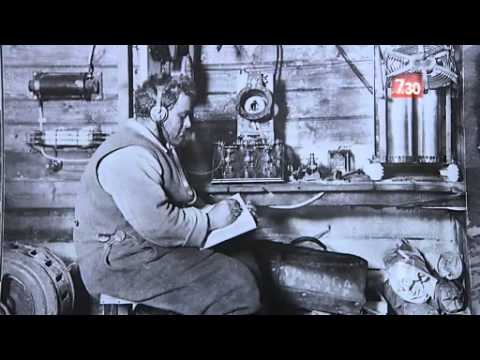
Sir Douglas Mawson's journey

The Amazing Story of Douglas Mawson's 300 Mile Antarctic Trek
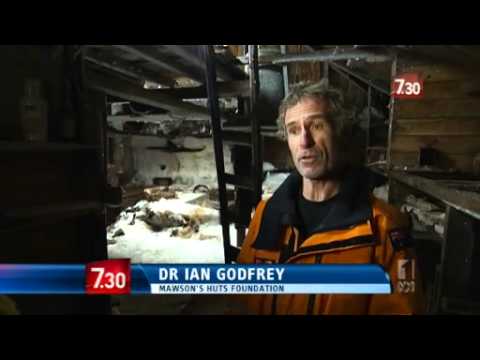
Mawson's Hut reveals history frozen in time
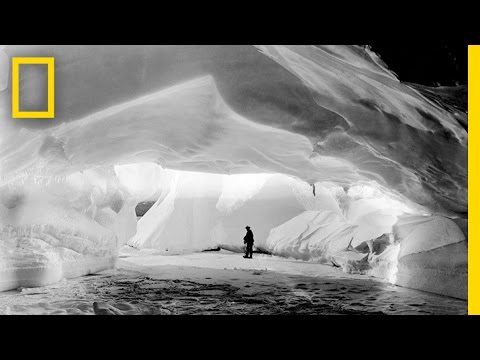
Alone on the Ice: The Best Survival Story You've Never Heard
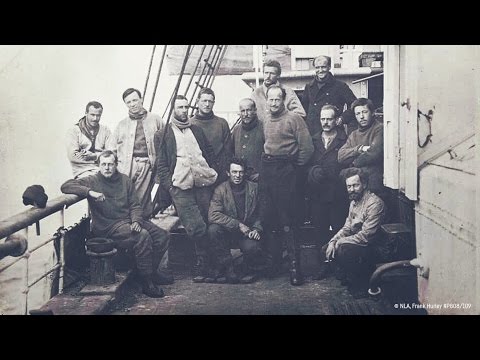
Douglas Mawson Expedition - Behind the News
The Geologist Who Outlived Death in Antarctica - Sir Douglas Mawson
Mawson's Hut reveals history frozen in time
Mawson: Science and Survival (2012) Antarctic Documentary

Sir Douglas Mawson's Huskies (File Footage)
See More:
Back to Top